
Playing Chess with Death

Children's sermon
Illustration
Preaching
Sermon
Worship
For July 11, 2021:

Playing Chess with Death
by Katy Stenta
Mark 6:14-29
In the backstory of the beheading of John the Baptist, complexity is added to both John himself and Herod. John the Baptist is shown to be a shrewd prophet, with the ear and friendship of Herod willing and able to play chess with death. Whereas Herod is shown not to be duly evil but has inclinations to become a Godfearer within the text.
It is important to take a moment of empathy for Herodias, a woman who’s power, livelihood, and perhaps very life, is threatened by John the Baptist’s declaration that Herod should not have married his brother Philip’s wife. Recalling Esther and Bathsheba, as well as showing the strength between women combining their power, like Ruth and Naomi, Herodias is left in a hard spot of power and vulnerability. It reminds me of the story of Sha-Carri Richardson who seemed to be on top of the world as track record breaker and Olympic contender, who was disqualified for what, in the grand scope of things, seemed to be a minor infraction of marijuana use when she was grieving the death of her mother.
In contrast, John the Baptist has enough truth telling power to endanger the powers and principalities of the time. It puts to mind the “stand your ground” and “good guys defending bad guys” principals that are used time and time again to defend the use of violence and murder to protect oneself.
Herod and Herodias could be very similar to the gunslinging couple of Mark and Patricia McCloskey who pleaded guilty to midemeanor charges as they waved guns at Black Lives Matter marchers last year. They felt they were within their full rights to threaten violence to peaceful protestors, simply because they felt unsafe. They are aware that they have more power — as an affluent white couple — and faced merely fines as punishment, a sentence so light, and their affluence so assured they say they would “do it again” in a second. There is little culpability for those in power who do violence. Playing chess with death is easier if you are in power.
This is certainly true for former attorney general Bill Barr and President Trump, who rushed a myriad of last minute executions before they left power, killing the most federal prisoners since World War II. There is little accountability and no worry about whether the executions were warranted. How many John the Baptists died during that time? The Biden administration recently put a halt to federal executions, but it’s sadly temporary and looks little to the innocence and guilt of the victims, nor the moral question of one human being’s right to kill another.
Then there is the “stand your ground” and “good guy with a gun” logic put forth over and over again as to why gun rights should be prevalent over background checks and other safety precautions. Time and time again, even if the good guy gets to the shooting in time to dispense…well, it’s probably not justice. But if the good guy does stop the bad guy then all too often the police arrive and shoot said good guy. This happened in Colorado when the family of Ronald Troyke had alerted the police that he was about to do “something crazy,” and indeed was headed into a shopping area with a semi-automatic shotgun. Another man, Johnny Hurley, shot Troyke and disarmed him, but was himself subsequently shot and killed by Arvada police. This is a time where playing chess with death, even in the name of defense, does not work if you are not a part of the powers that be or the police.
Clearly, we sanction a lot of violence in the name of protection. Whether it is standing one’s ground or executing prisoners or defending violence with violence. John the Baptist’s story is a sharp warning that death is never the answer. That when we think we are protecting ourselves through murder or violence, it does not actually result in any good. What if we are killing John the Baptist? Or even Jesus Christ? Not only does state sanctioned violence not work, but the evil of the affluent using their power to kill is questionable. Yet, somehow, we humans try to rationalize it time and time again. Perhaps it is time to stop playing chess with death, because one thing is clear, even when we win, we lose.
 SECOND THOUGHTS
Floods, Fires and Drought
by Mary Austin
Psalm 24
“The earth is the Lord’s, and all that is in it,” the psalmist announces, calling us into worship, not just in the sanctuary or the temple, but in all of creation. God’s domain extends to the seas and the rivers. It includes the places of traditional worship and ranges far beyond them. The King of Glory is not limited to the spaces where we choose to worship. The whole of creation belongs to God, and we give our praise to God in all of it.
This summer’s fires, floods, heat and drought are revealing our lack of care for the work of God’s hands. We live in a sacred world, created by the divine imagination, and we have been careless, instead. We give as much thought to the earth as a place of worship as most people do to the church building from Sunday afternoon to Saturday night.
The Lord, strong and mighty, created the life-giving waters of our lakes and the cool respite of our forests, and yet “at Lake Mead, which supplies water for 25 million people in three southwestern states and Mexico, water levels have plunged to their lowest point since the reservoir was filled in the 1930s. In California, farmers are abandoning their thirstiest crops to save others, and communities are debating whether to ration tap water. In Texas, electricity grids are under strain as residents crank their air-conditioners, with utilities begging customers to turn off appliances to help avert blackouts. In Arizona, Montana, and Utah, wildfires are blazing.”
The brutal June heat wave in the Pacific Northwest reveals our careless treatment of God’s created temple. “We’ve never seen anything like this before," said Dustin Guy, a meteorologist in Seattle. “We’ve only had three days of 100 or more degrees in 126 years, and it looks like we’re ready to get three of them in a row now. There’s really nothing to compare it to. We’ve never in anybody’s lifetimes seen anything quite like this before in Seattle.” Tom Di Liberto, a scientist with NOAA’s Climate Program Office, wrote in a post on NOAA’s website: “It’s always difficult to immediately quantify how much impact climate change has had on a climate extreme, but there is plenty of evidence to show that high temperatures and heat waves have become worse due to climate change. Heatwaves across the contiguous United States have occurred more often and lasted longer since the 1960s, which is consistent with a warming climate due to climate change.” The unrelenting heat kept people and homes from cooling off at night, keeping things overheated for days in a row, and also raising the risk of wildfires. The early heat wave also raised the stakes for fire danger for the rest of the summer.
Now authorities are investigating whether 800 recent deaths in the region were heat related.
On the East Coast, as hurricane season begins, “Studies show the chance of a given tropical storm becoming a hurricane that is Category 3 or greater has grown 8 percent every decade.” No area of the country is immune. People in Michigan bore the brunt of a second “hundred year flood” in June, following devastating flooding in 2014. The combination of a warming climate and aging infrastructure meant that summer rainfall made highways impassable and flooded homes again. Jonathan Overpeck, the Dean of the School for Environment and Sustainability at the University of Michigan, says that “the warming of Earth’s atmosphere will make once-uncommon weather events the new normal. “There are two things going on here: One is certainly climate change making the problem worse. And the second thing is our infrastructure wasn’t designed for climate change.” He adds, “As the atmosphere warms up, it can hold more moisture. And when it rains, it can dump more moisture faster. And in the Great Lakes region, we’ve seen over a 40% increase in the most intense precipitation. So this is a big event, the 2014 event was big. But we’ve had other floods around the Midwest that have been really notable and they’ve kept farmers from planting as early as they’d like. They’ve busted huge dams up in Midland area, releasing a lot of water and causing mayhem downstream as lakes gateway. So this is all related to climate change.”
Those who have clean hands and pure hearts will receive God’s blessing, the psalmist proclaims, and yet none of us are blameless in the warming of the planet. All of us use fossil fuels, and love the convenience of driving places alone in our cars, turning on the air conditioning at home, and eating food that has traveled many miles from farm to food store to our tables. The Lord, strong and mighty, is calling us to more care-full living before it’s too late.
“Lift up your heads,” the psalmist calls, as an invitation for all of the creation to worship God. The earth is God’s, including the seas and the parched lands, the animals and the people who are suffering this summer. Our fellow creatures are suffering, and the earth itself is groaning in turmoil. All that we see belongs to God, calling forth our reverence. We can give our thanks by living with more care for the planet, God’s largest sanctuary. The earth is God’s, and God calls us to account for the damage we do, and summons us to worship by facing the challenges before us.
ILLUSTRATIONS
 From team member Dean Feldmeyer:
Psalm 24
Fun environment facts
Fun environmental facts from kidskonnect.com.
Okay, all of them aren’t so fun, but they’re all important.
* * *
Psalm 24
Thinking Fast And Slow
Two of the most effective books that were ever written to change peoples’ minds were Uncle Tom’s Cabin by Harriet Beecher Stowe and The Jungle, by Upton Sinclair. Both books were filled with emotionally charged images of injustice that led people to demand immediate change. Such emotionally packed stories are not just helpful but essential if we are to make the world a better place, says Daniel Kahneman in his book, Thinking Fast and Slow.
But he also adds that graphic, emotional, moral stories, while making an immediate impact, often don’t have the staying power that gets things done over the long haul. Effective, long term change, requires more than emotional impact. We also need to “get the science right.”
Emotional, personal stories are the kindling that get the fire of change started but facts are the wood that keep it going bright and hot.
* * *
Psalm 24
Grendel’s Attack!
You don’t have to be a big fan of science fiction to enjoy The Legacy of Heorot, a science fiction novel by American writers Larry Niven, Jerry Pournelle, and Steven Barnes (1987).
This first book in the Heorot series is about the establishment of the first human colony on Avalon, the fourth planet of Tau Ceti solar system. The 200 colonists who have all been chosen for their excellent physical and mental abilities have traveled for over 100 years in suspended animation to arrive at the planet but discover, upon their arrival and reanimation, that the long journey has damaged the intellectual ability of many of the colonists who are now unable to think in the long-term and tend to make all their decisions based on their immediate wants and needs.
This intellectual deficit leads them to seed the water supply on their new home with fish species from earth which immediately mix with the native salmon-like fish. The colonists do not realize that the salmon-like fish they like so much are actually the adolescent versions of a larger, faster, stronger, more intelligent predatory creature which can leave the water to hunt for food.
The introduction of the earth fish to the environment causes the salmon to grow faster and create more of the mature, predatory species than the local food source can support, so the “Grendel’s” as the colonists come to call them, begin leaving the water and hunting humans for food.
It is not until the human columnists come to realize that their own environmental impact is causing their dilemma that they can reverse the damage and save themselves from their own extinction at the hands — or jaws — of the Grendels.
* * *
Mark 6:14-29
Promises We Shouldn’t Make
In this gospel passage, Herod, overcome by lust, makes a promise without thinking and then must follow through on the promise even though doing so is immoral and cruel. Here are some promises a wise person never makes.
* * *
Mark 6:14-29
The Promise Trap
Herod makes a promise to a woman whose only desire is to trap him into a promise he doesn’t want to keep.
Donna Anderson, author of Lovefraud.com and the book, Red Flags of Love Fraud — 10 signs you're dating a sociopath, warns us against being trapped in a promise made to a sociopath.
Sociopaths do not operate in good faith but they know that you do. They understand that you are a moral person who was raised to keep your promises so they use claims of love, loyalty, faith, or anything else they can think of to get you to make a promise, often in the form of financial help.
They know that once we make a promise, we feel duty bound to keep it. They, however, have no sense of duty or morality and feel perfectly free to lie, mislead, or break promises that they have made.
We are, says Anderson, perfectly justified in breaking a promise made to a sociopathic person who is just using us.
* * *
Mark 6:14-29
Some Bad Reasons For Making A Promise
Herod may have just been impressed with the balletic skills of his step daughter but the text leads us to believe that there’s more at work in the story. One significant thing at play, here, is lust. One of the worst reasons to make a promise.
Lust or sexual desire can lead us to make all kinds of claims and promises that we can’t realistically keep. Here are a few more.
* * * * * *
 From team member Quantisha Mason-Doll:
Mark 6:14-29
Your honor and integrity will define you; for better or worse
King Herod is faced with a dilemma, while it was never his intention to end the life of the baptizer because of his honor and integrity, he killed a righteous man all because of a pretty dance. By being a man of his word he is filled with guilt.
When word reaches his ear of the ministry of Jesus of Nazareth I would hazard to guess that King Herod has the spirit of the Dead haunting his waking being. He knows that he has taken the head of John the Baptist yet the people cry out “John has arisen from the death, Elijah has returned, and the prophets of old speak once again.” Who is to say how King Herod actually feels at this moment, we will never truly know, yet that does not mean we cannot infer. Here is a man that was trapped by his honor, which has brought nothing but strife to his house. Herod cared more about the way people perceived him than doing what was right.
Having honor and integrity is not as easy as one would assume and often we are swayed by our own ego. We get caught up in what we perceive as the “honorable thing to do” yet we forget that sometimes doing what is honorable is not always the just thing to do. To clarify being right in the eyes of the Lord does not always mean that you are doing what is right in the eyes of kingdom or Empire. Herod had an opportunity to repent and turn himself towards the Lord for the low sum of his pride. John the Baptist offered Herod salvation but Herod was too afraid of facing the injustices he perpetrated against those around him and himself. John was able to look Herod in the eyes and speak truth to power. John the Baptist challenged King Herod by questioning where his allegiance lies — questioning the integrity of the empire he seeks to uphold. John knew that the King of kings was coming and that death is not the end for those that seek righteousness above all else.
* * *
Mark 6:14-29
Death Thou Shalt Die
Our gospel reading finds us once again in the Gospel of Mark yet this time we are afforded a window into the minds of those who have all the power and privilege. Herod II was the son of Herod the Great, who was a client king of Rome responsible for massive construction projects and the renovation of the second temple of Jerusalem. Herod II has a contentious history — on the one hand he is living in his father's shadow trying desperately to make a name for himself. He also never held the true title of king. There's a lot riding on his ability not only to the citizens of Judea but also to the Roman Empire that he could be an effective leader who was able to contain an uprising and soothe the hearts of religious leaders.
Then on the other, he is responsible for the beheading of John the Baptist at the behest of his daughter. Herod being a man of his word sanctioned the beheading of John the Baptist; the herald of the coming of the King of Kings. He approved the killing of a man that did nothing but speak truth to power. John the Baptist called Herrod out on the sins that he has committed against God and himself. John was a dead man, yet here once again doing acts of great power and mystery within his dominion. What is a man to do when he hears the news of the great works of Jesus of Nazareth? He is confused and being the ruler of Judea he's rightfully worried. People are claiming John the Baptist has returned or even Elijah has descended from on high. I cannot help but think of a poem by the seventeenth-century English poet John Dunne Holy Sonnet X in which he speaks candidly with metaphysical death saying:
Death, be not proud, though some have called thee
Mighty and dreadful, for thou art not so;
For those whom thou think'st thou dost overthrow
Die not, poor Death, nor yet canst thou kill me.
…
And death shall be no more; Death, thou shalt die.
I reference this poem because we have the privilege of knowing how this story ends. Herod could not see what John Dunne puts it plainly: Death shall die. This moment in the gospel is foreshadowing what is to come. This section is a precursor to the mystery of our faith. It is a testimony to the majesty and mystery that is our Lord Jesus Christ. Though he's probably racked with guilt, Herod believed that all of his problems ended with the death of John the Baptist until he comes to realize that is not the case. When one prophet is silenced a greater one will come and finish the work that has been cut short.
* * * * * *
 WORSHIP
by George Reed
Call to Worship:
One: The earth is the God’s and all that is in it.
All: God holds the world, and those who live in it.
One: Who shall stand in God’s holy place?
All: Those who have clean hands and pure hearts,
One: They will receive blessing from our God.
All: They will receive vindication from the God of their salvation.
OR
One: God our creator welcomes us into the divine presence.
All: We are in awe that God is open and present to us.
One: God offers us this earth and all that is in it.
All: With gratitude we receive God’s gift and vow to care for it.
One: God’s gift includes all who dwell on the earth with us.
All: With humility we pledge to care for all God’s children.
Hymns and Songs:
This Is My Father’s World
UMH: 144
H82: 651
PH: 293
AAHH: 149
NNBH: 41
CH: 59
LBW: 554
ELW: 824
W&P: 21
AMEC: 47
Morning Has Broken
UMH: 145
H82: 8
PH: 469
CH: 53
ELW: 556
W&P: 35
STLT: 38
God, Who Stretched the Spangled Heavens
UMH: 150
H82: 580
PH: 268
NCH: 556
CH: 651
LBW: 463
ELW: 771
W&P: 644
I Sing the Almighty Power of God
UMH: 152
H82: 398
PH: 288
NCH: 12
W&P: 31
Renew: 54
All My Hope Is Firmly Grounded
UMH: 132
H82: 665
NCH: 408
CH: 88
ELW: 757
Leaning on the Everlasting Arms
UMH: 133
AAHH: 371
NNBH: 262
NCH: 471
CH: 560
ELW: 774
W&P: 496
AMEC: 525
Where Cross the Crowded ways of Life
UMH: 427
H82: 609
PH: 408
NCH: 543
CH: 665
LBW: 429
ELW: 719
W&P: 591
AMEC: 561
O God of Every Nation
UMH: 435
H82: 607
PH: 289
CH: 680
LBW: 416
ELW: 713
W&P: 626
Let There Be Light
UMH: 440
NNBH: 450:
NCH: 589
STLT: 124
All Who Love and Serve Your City
UMH: 433
H82: 570/571
PH: 413
CH: 670
LBW: 436
ELW: 724
W&P: 625
For the Gift of Creation
CCB: 67
Lord, I Lift Your Name on High
CCB: 36
Renew: 4
Music Resources Key:
UMH: United Methodist Hymnal
H82: The Hymnal 1982
PH: Presbyterian Hymnal
AAHH: African American Heritage Hymnal
NNBH: The New National Baptist Hymnal
NCH: The New Century Hymnal
CH: Chalice Hymnal
LBW: Lutheran Book of Worship
ELW: Evangelical Lutheran Worship
W&P: Worship & Praise
AMEC: African Methodist Episcopal Church Hymnal
STLT: Singing the Living Tradition
CCB: Cokesbury Chorus Book
Renew: Renew! Songs & Hymns for Blended Worship
Prayer for the Day/Collect
O God who created the earth and all who dwell on it:
Grant us the wisdom to honor the gift of creation
by seeing it as a sacred trust offered by you;
through Jesus Christ our Savior. Amen.
OR
We praise you, O God, because you are the one who created the earth and all who dwell on it. It is your precious gift given to us to use and to care for. Help us to understand that this is your world and to care for it so that we can offer it back to you. Amen.
Prayer of Confession
One: Let us confess to God and before one another our sins and especially the cavalier way in which we desecrate and destroy God’s good creation and the thoughtless ways we treat God’s people.
All: We confess to you, O God, and before one another that we have sinned. You have given us a wonderful earth and filled it with your people. Yet we use your earth and abuse it. We take from it more than we need and we refuse to share with others. We forget that the earth and all that is here belongs to you. We forget that all people are your children. Forgive us our selfish ways and open our eyes to see that everything belongs to you so that we may treat everything and everyone with respect and care. Amen.
One: The earth is God’s and so are we. God’s offers us forgiveness and the grace to live better lives that reflect who and whose we are.
Prayers of the People
Praise and glory are yours, O God our creator. You are the giver of all good and bountiful gifts.
(The following paragraph may be used if a separate prayer of confession has not been used.)
We confess to you, O God, and before one another that we have sinned. You have given us a wonderful earth and filled it with your people. Yet we use your earth and abuse it. We take from it more than we need and we refuse to share with others. We forget that the earth and all that is here belongs to you. We forget that all people are your children. Forgive us our selfish ways and open our eyes to see that everything belongs to you so that we may treat everything and everyone with respect and care.
We thank you for the wonder and the beauty of creation. We thank you for this planet on which we live and which sustains us so richly. We thank you for the gifts of friends and family. You have blessed us beyond measure.
(Other thanksgivings may be offered.)
We pray for all your children in their need. We pray for those who struggle to find the resources they need for their lives and for those who gather in without satisfaction. We pray for those who are surrounded by violence and those encased in loneliness. We pray for those who have not learned that they are your beloved children and for those who think being your child makes them better than others.
(Other intercessions may be offered.)
All these things we ask in the name of our Savior Jesus Christ who taught us to pray together saying:
Our Father....Amen.
(Or if the Our Father is not used at this point in the service.)
All this we ask in the name of the Blessed and Holy Trinity. Amen.
Children’s Sermon Starter
What if you have some new toy and a friend comes over and wants to play with it. You would probably share it. Right? But what if they treat it very roughly and break it? You wouldn’t like that, would you?
God has given us the good earth to use. And sometimes we treat it very roughly and hurt it. That isn’t a good way to treat something that belongs to someone else. The Psalm reminds us that the earth is God’s and all that is in it, including the people. We need to be careful in how we treat God’s earth, what is in it, and who is on it.
* * * * * *
 CHILDREN'S SERMON
The Earth is the Lord’s….
by Tom Willadsen
Psalm 24
After the little ones gather up front, show them a series of pictures like these. (I Googled “nature photos free” and “astronomy photos free.”) It would be ideal if the pictures can be projected for all the worshipers to see. Let the kids (or everyone) gaze at each photo for a while. Ask what the kids see.



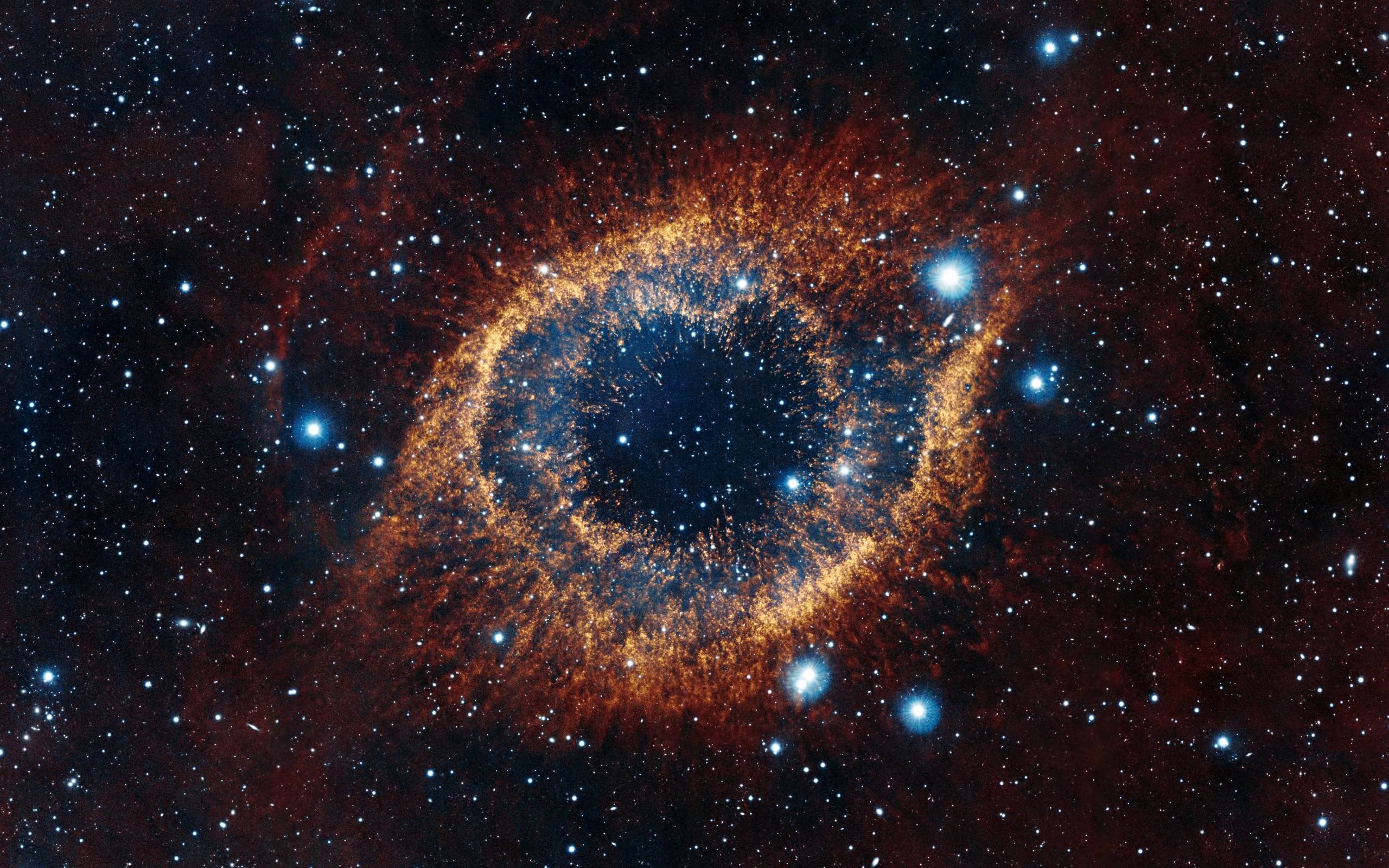

After they have seen and commented on each photo ask what the photos have in common. Note that one is clearly a winter shot, another autumn, another summer. One is of a distant collection of galaxies in outer space.
What you’re shooting for is that they are all beautiful, and all made by the living God. Remind the kids to look around every day, all the time, and see the beauty with which our Creator surrounds us.
* * * * * * * * * * * * *
The Immediate Word, July 11, 2021 issue.
Copyright 2021 by CSS Publishing Company, Inc., Lima, Ohio.
All rights reserved. Subscribers to The Immediate Word service may print and use this material as it was intended in sermons and in worship and classroom settings only. No additional permission is required from the publisher for such use by subscribers only. Inquiries should be addressed to or to Permissions, CSS Publishing Company, Inc., 5450 N. Dixie Highway, Lima, Ohio 45807.
- Playing Chess with Death by Katy Stenta.
- Second Thoughts: Floods, Fires and Drought by Mary Austin.
- Sermon illustrations by Dean Feldmeyer and Quantish Mason-Doll.
- Worship resources by George Reed.
- Children's sermon: The Earth is the Lord’s…. by Tom Willadsen.
Playing Chess with Death
by Katy Stenta
Mark 6:14-29
In the backstory of the beheading of John the Baptist, complexity is added to both John himself and Herod. John the Baptist is shown to be a shrewd prophet, with the ear and friendship of Herod willing and able to play chess with death. Whereas Herod is shown not to be duly evil but has inclinations to become a Godfearer within the text.
It is important to take a moment of empathy for Herodias, a woman who’s power, livelihood, and perhaps very life, is threatened by John the Baptist’s declaration that Herod should not have married his brother Philip’s wife. Recalling Esther and Bathsheba, as well as showing the strength between women combining their power, like Ruth and Naomi, Herodias is left in a hard spot of power and vulnerability. It reminds me of the story of Sha-Carri Richardson who seemed to be on top of the world as track record breaker and Olympic contender, who was disqualified for what, in the grand scope of things, seemed to be a minor infraction of marijuana use when she was grieving the death of her mother.
In contrast, John the Baptist has enough truth telling power to endanger the powers and principalities of the time. It puts to mind the “stand your ground” and “good guys defending bad guys” principals that are used time and time again to defend the use of violence and murder to protect oneself.
Herod and Herodias could be very similar to the gunslinging couple of Mark and Patricia McCloskey who pleaded guilty to midemeanor charges as they waved guns at Black Lives Matter marchers last year. They felt they were within their full rights to threaten violence to peaceful protestors, simply because they felt unsafe. They are aware that they have more power — as an affluent white couple — and faced merely fines as punishment, a sentence so light, and their affluence so assured they say they would “do it again” in a second. There is little culpability for those in power who do violence. Playing chess with death is easier if you are in power.
This is certainly true for former attorney general Bill Barr and President Trump, who rushed a myriad of last minute executions before they left power, killing the most federal prisoners since World War II. There is little accountability and no worry about whether the executions were warranted. How many John the Baptists died during that time? The Biden administration recently put a halt to federal executions, but it’s sadly temporary and looks little to the innocence and guilt of the victims, nor the moral question of one human being’s right to kill another.
Then there is the “stand your ground” and “good guy with a gun” logic put forth over and over again as to why gun rights should be prevalent over background checks and other safety precautions. Time and time again, even if the good guy gets to the shooting in time to dispense…well, it’s probably not justice. But if the good guy does stop the bad guy then all too often the police arrive and shoot said good guy. This happened in Colorado when the family of Ronald Troyke had alerted the police that he was about to do “something crazy,” and indeed was headed into a shopping area with a semi-automatic shotgun. Another man, Johnny Hurley, shot Troyke and disarmed him, but was himself subsequently shot and killed by Arvada police. This is a time where playing chess with death, even in the name of defense, does not work if you are not a part of the powers that be or the police.
Clearly, we sanction a lot of violence in the name of protection. Whether it is standing one’s ground or executing prisoners or defending violence with violence. John the Baptist’s story is a sharp warning that death is never the answer. That when we think we are protecting ourselves through murder or violence, it does not actually result in any good. What if we are killing John the Baptist? Or even Jesus Christ? Not only does state sanctioned violence not work, but the evil of the affluent using their power to kill is questionable. Yet, somehow, we humans try to rationalize it time and time again. Perhaps it is time to stop playing chess with death, because one thing is clear, even when we win, we lose.
SECOND THOUGHTSFloods, Fires and Drought
by Mary Austin
Psalm 24
“The earth is the Lord’s, and all that is in it,” the psalmist announces, calling us into worship, not just in the sanctuary or the temple, but in all of creation. God’s domain extends to the seas and the rivers. It includes the places of traditional worship and ranges far beyond them. The King of Glory is not limited to the spaces where we choose to worship. The whole of creation belongs to God, and we give our praise to God in all of it.
This summer’s fires, floods, heat and drought are revealing our lack of care for the work of God’s hands. We live in a sacred world, created by the divine imagination, and we have been careless, instead. We give as much thought to the earth as a place of worship as most people do to the church building from Sunday afternoon to Saturday night.
The Lord, strong and mighty, created the life-giving waters of our lakes and the cool respite of our forests, and yet “at Lake Mead, which supplies water for 25 million people in three southwestern states and Mexico, water levels have plunged to their lowest point since the reservoir was filled in the 1930s. In California, farmers are abandoning their thirstiest crops to save others, and communities are debating whether to ration tap water. In Texas, electricity grids are under strain as residents crank their air-conditioners, with utilities begging customers to turn off appliances to help avert blackouts. In Arizona, Montana, and Utah, wildfires are blazing.”
The brutal June heat wave in the Pacific Northwest reveals our careless treatment of God’s created temple. “We’ve never seen anything like this before," said Dustin Guy, a meteorologist in Seattle. “We’ve only had three days of 100 or more degrees in 126 years, and it looks like we’re ready to get three of them in a row now. There’s really nothing to compare it to. We’ve never in anybody’s lifetimes seen anything quite like this before in Seattle.” Tom Di Liberto, a scientist with NOAA’s Climate Program Office, wrote in a post on NOAA’s website: “It’s always difficult to immediately quantify how much impact climate change has had on a climate extreme, but there is plenty of evidence to show that high temperatures and heat waves have become worse due to climate change. Heatwaves across the contiguous United States have occurred more often and lasted longer since the 1960s, which is consistent with a warming climate due to climate change.” The unrelenting heat kept people and homes from cooling off at night, keeping things overheated for days in a row, and also raising the risk of wildfires. The early heat wave also raised the stakes for fire danger for the rest of the summer.
Now authorities are investigating whether 800 recent deaths in the region were heat related.
On the East Coast, as hurricane season begins, “Studies show the chance of a given tropical storm becoming a hurricane that is Category 3 or greater has grown 8 percent every decade.” No area of the country is immune. People in Michigan bore the brunt of a second “hundred year flood” in June, following devastating flooding in 2014. The combination of a warming climate and aging infrastructure meant that summer rainfall made highways impassable and flooded homes again. Jonathan Overpeck, the Dean of the School for Environment and Sustainability at the University of Michigan, says that “the warming of Earth’s atmosphere will make once-uncommon weather events the new normal. “There are two things going on here: One is certainly climate change making the problem worse. And the second thing is our infrastructure wasn’t designed for climate change.” He adds, “As the atmosphere warms up, it can hold more moisture. And when it rains, it can dump more moisture faster. And in the Great Lakes region, we’ve seen over a 40% increase in the most intense precipitation. So this is a big event, the 2014 event was big. But we’ve had other floods around the Midwest that have been really notable and they’ve kept farmers from planting as early as they’d like. They’ve busted huge dams up in Midland area, releasing a lot of water and causing mayhem downstream as lakes gateway. So this is all related to climate change.”
Those who have clean hands and pure hearts will receive God’s blessing, the psalmist proclaims, and yet none of us are blameless in the warming of the planet. All of us use fossil fuels, and love the convenience of driving places alone in our cars, turning on the air conditioning at home, and eating food that has traveled many miles from farm to food store to our tables. The Lord, strong and mighty, is calling us to more care-full living before it’s too late.
“Lift up your heads,” the psalmist calls, as an invitation for all of the creation to worship God. The earth is God’s, including the seas and the parched lands, the animals and the people who are suffering this summer. Our fellow creatures are suffering, and the earth itself is groaning in turmoil. All that we see belongs to God, calling forth our reverence. We can give our thanks by living with more care for the planet, God’s largest sanctuary. The earth is God’s, and God calls us to account for the damage we do, and summons us to worship by facing the challenges before us.
ILLUSTRATIONS
From team member Dean Feldmeyer:Psalm 24
Fun environment facts
Fun environmental facts from kidskonnect.com.
Okay, all of them aren’t so fun, but they’re all important.
- The Earth has been around for 4.6 billion years, but in the past 100 years, people have destroyed 80% of the Earth’s forests and 40% of the Earth’s tropical rainforests.
- Every day, 50 to 100 species of plants and animals become extinct as their habitat is impacted by human activities.
- An average American creates 4.5 pounds of garbage per day. That’s twice what it was 30 years ago.
- The U.S. burns 10,000 gallons of gasoline a second. Burning one gallon of gas creates 22 pounds of carbon dioxide. That equals 220,000 pounds of carbon dioxide per second.
- The United States has 5% of the world’s population yet produces 30% of the world’s waste.
- In order for humans to have toilet paper, 27,000 trees are cut down every single day.
- A glass bottle requires 4,000 years to decompose.
- According to scientists, the primary causes of variations in climate are man-made, including excessive greenhouse gas emissions from cars, industry, and meat production.
- Greenhouse gases aren’t all bad. They trap heat in the Earth’s atmosphere without which the Earth would be too cold to support life. But if we have too much greenhouse gas, the Earth’s atmosphere becomes too hot to live in.
* * *
Psalm 24
Thinking Fast And Slow
Two of the most effective books that were ever written to change peoples’ minds were Uncle Tom’s Cabin by Harriet Beecher Stowe and The Jungle, by Upton Sinclair. Both books were filled with emotionally charged images of injustice that led people to demand immediate change. Such emotionally packed stories are not just helpful but essential if we are to make the world a better place, says Daniel Kahneman in his book, Thinking Fast and Slow.
But he also adds that graphic, emotional, moral stories, while making an immediate impact, often don’t have the staying power that gets things done over the long haul. Effective, long term change, requires more than emotional impact. We also need to “get the science right.”
Emotional, personal stories are the kindling that get the fire of change started but facts are the wood that keep it going bright and hot.
* * *
Psalm 24
Grendel’s Attack!
You don’t have to be a big fan of science fiction to enjoy The Legacy of Heorot, a science fiction novel by American writers Larry Niven, Jerry Pournelle, and Steven Barnes (1987).
This first book in the Heorot series is about the establishment of the first human colony on Avalon, the fourth planet of Tau Ceti solar system. The 200 colonists who have all been chosen for their excellent physical and mental abilities have traveled for over 100 years in suspended animation to arrive at the planet but discover, upon their arrival and reanimation, that the long journey has damaged the intellectual ability of many of the colonists who are now unable to think in the long-term and tend to make all their decisions based on their immediate wants and needs.
This intellectual deficit leads them to seed the water supply on their new home with fish species from earth which immediately mix with the native salmon-like fish. The colonists do not realize that the salmon-like fish they like so much are actually the adolescent versions of a larger, faster, stronger, more intelligent predatory creature which can leave the water to hunt for food.
The introduction of the earth fish to the environment causes the salmon to grow faster and create more of the mature, predatory species than the local food source can support, so the “Grendel’s” as the colonists come to call them, begin leaving the water and hunting humans for food.
It is not until the human columnists come to realize that their own environmental impact is causing their dilemma that they can reverse the damage and save themselves from their own extinction at the hands — or jaws — of the Grendels.
* * *
Mark 6:14-29
Promises We Shouldn’t Make
In this gospel passage, Herod, overcome by lust, makes a promise without thinking and then must follow through on the promise even though doing so is immoral and cruel. Here are some promises a wise person never makes.
- I won’t laugh.
Laughter is not always a voluntary response. Sometimes we have no control over it. - I won’t get mad.
My kids used to preface a confession with, “Do you promise you won’t get mad?” Usually, I could keep such a promise but I learned early on that a better promise is to say “No, I can’t promise I won’t get angry, but I will promise that I’ll control my anger and let you tell your side of the story.” - I’ll be there.
Again, being there, or anywhere, for that matter isn’t always up to us. Traffic jams, accidents, car breakdowns can all cause us to break that promise. Better to say, “As far as it is up to me, I’ll be there.” - I won’t tell anyone. (Your secret is safe with me.)
Clergy, lawyers, doctors are all protected by confidentiality codes but these codes all have exceptions written into them. When immediate danger to another is threatened, when child abuse is involved, etc. Better to make these exceptions known up front. - I’ll never hurt you.
Caught up in the romantic moment, the lover utters this ridiculous promise to his/her beloved. Ridiculous because we don’t always know what thing we say or do might hurt the feelings of another. Even saying that “I will never intentionally hurt you,” is a dangerous promise to make because we all get caught up in the emotional moment of an argument and say things we don’t mean. Better to leave this area unremarked knowing that we may be called upon to apologize for the poorly considered remark made in the heat of the moment.
* * *
Mark 6:14-29
The Promise Trap
Herod makes a promise to a woman whose only desire is to trap him into a promise he doesn’t want to keep.
Donna Anderson, author of Lovefraud.com and the book, Red Flags of Love Fraud — 10 signs you're dating a sociopath, warns us against being trapped in a promise made to a sociopath.
Sociopaths do not operate in good faith but they know that you do. They understand that you are a moral person who was raised to keep your promises so they use claims of love, loyalty, faith, or anything else they can think of to get you to make a promise, often in the form of financial help.
They know that once we make a promise, we feel duty bound to keep it. They, however, have no sense of duty or morality and feel perfectly free to lie, mislead, or break promises that they have made.
We are, says Anderson, perfectly justified in breaking a promise made to a sociopathic person who is just using us.
* * *
Mark 6:14-29
Some Bad Reasons For Making A Promise
Herod may have just been impressed with the balletic skills of his step daughter but the text leads us to believe that there’s more at work in the story. One significant thing at play, here, is lust. One of the worst reasons to make a promise.
Lust or sexual desire can lead us to make all kinds of claims and promises that we can’t realistically keep. Here are a few more.
- The desire to be a better person.
Promises should be made because we are good people, not because we want to be good people. - To gain an advantage.
Promises made in order to gain some kind of moral, or financial advantage over another person are inherently dishonest. - Because we can’t bring ourselves or don’t know how to say “No.”
More than once in my pastoral career a bride or groom has come to me in private and said, “If I knew how to get out of this without destroying him/her, I would.” A promise made reluctantly because we can’t say no is bound to be broken or, at the very least, poorly kept. (see No.4) - Because we “ought” to.
Parent tapes playing in our heads often tell us what we ought or should do without regard to whether it is a good thing for us. Before we make a promise, we would do well to examine it from all sides to make sure it’s a good promise to make not just of the recipient but for the maker as well. - To impress someone.
Promises shouldn’t be made so others will think we are cool. Those others will likely be far away when it’s time to actually do the work of keeping the promise.
* * * * * *
From team member Quantisha Mason-Doll:Mark 6:14-29
Your honor and integrity will define you; for better or worse
King Herod is faced with a dilemma, while it was never his intention to end the life of the baptizer because of his honor and integrity, he killed a righteous man all because of a pretty dance. By being a man of his word he is filled with guilt.
When word reaches his ear of the ministry of Jesus of Nazareth I would hazard to guess that King Herod has the spirit of the Dead haunting his waking being. He knows that he has taken the head of John the Baptist yet the people cry out “John has arisen from the death, Elijah has returned, and the prophets of old speak once again.” Who is to say how King Herod actually feels at this moment, we will never truly know, yet that does not mean we cannot infer. Here is a man that was trapped by his honor, which has brought nothing but strife to his house. Herod cared more about the way people perceived him than doing what was right.
Having honor and integrity is not as easy as one would assume and often we are swayed by our own ego. We get caught up in what we perceive as the “honorable thing to do” yet we forget that sometimes doing what is honorable is not always the just thing to do. To clarify being right in the eyes of the Lord does not always mean that you are doing what is right in the eyes of kingdom or Empire. Herod had an opportunity to repent and turn himself towards the Lord for the low sum of his pride. John the Baptist offered Herod salvation but Herod was too afraid of facing the injustices he perpetrated against those around him and himself. John was able to look Herod in the eyes and speak truth to power. John the Baptist challenged King Herod by questioning where his allegiance lies — questioning the integrity of the empire he seeks to uphold. John knew that the King of kings was coming and that death is not the end for those that seek righteousness above all else.
* * *
Mark 6:14-29
Death Thou Shalt Die
Our gospel reading finds us once again in the Gospel of Mark yet this time we are afforded a window into the minds of those who have all the power and privilege. Herod II was the son of Herod the Great, who was a client king of Rome responsible for massive construction projects and the renovation of the second temple of Jerusalem. Herod II has a contentious history — on the one hand he is living in his father's shadow trying desperately to make a name for himself. He also never held the true title of king. There's a lot riding on his ability not only to the citizens of Judea but also to the Roman Empire that he could be an effective leader who was able to contain an uprising and soothe the hearts of religious leaders.
Then on the other, he is responsible for the beheading of John the Baptist at the behest of his daughter. Herod being a man of his word sanctioned the beheading of John the Baptist; the herald of the coming of the King of Kings. He approved the killing of a man that did nothing but speak truth to power. John the Baptist called Herrod out on the sins that he has committed against God and himself. John was a dead man, yet here once again doing acts of great power and mystery within his dominion. What is a man to do when he hears the news of the great works of Jesus of Nazareth? He is confused and being the ruler of Judea he's rightfully worried. People are claiming John the Baptist has returned or even Elijah has descended from on high. I cannot help but think of a poem by the seventeenth-century English poet John Dunne Holy Sonnet X in which he speaks candidly with metaphysical death saying:
Death, be not proud, though some have called thee
Mighty and dreadful, for thou art not so;
For those whom thou think'st thou dost overthrow
Die not, poor Death, nor yet canst thou kill me.
…
And death shall be no more; Death, thou shalt die.
I reference this poem because we have the privilege of knowing how this story ends. Herod could not see what John Dunne puts it plainly: Death shall die. This moment in the gospel is foreshadowing what is to come. This section is a precursor to the mystery of our faith. It is a testimony to the majesty and mystery that is our Lord Jesus Christ. Though he's probably racked with guilt, Herod believed that all of his problems ended with the death of John the Baptist until he comes to realize that is not the case. When one prophet is silenced a greater one will come and finish the work that has been cut short.
* * * * * *
WORSHIPby George Reed
Call to Worship:
One: The earth is the God’s and all that is in it.
All: God holds the world, and those who live in it.
One: Who shall stand in God’s holy place?
All: Those who have clean hands and pure hearts,
One: They will receive blessing from our God.
All: They will receive vindication from the God of their salvation.
OR
One: God our creator welcomes us into the divine presence.
All: We are in awe that God is open and present to us.
One: God offers us this earth and all that is in it.
All: With gratitude we receive God’s gift and vow to care for it.
One: God’s gift includes all who dwell on the earth with us.
All: With humility we pledge to care for all God’s children.
Hymns and Songs:
This Is My Father’s World
UMH: 144
H82: 651
PH: 293
AAHH: 149
NNBH: 41
CH: 59
LBW: 554
ELW: 824
W&P: 21
AMEC: 47
Morning Has Broken
UMH: 145
H82: 8
PH: 469
CH: 53
ELW: 556
W&P: 35
STLT: 38
God, Who Stretched the Spangled Heavens
UMH: 150
H82: 580
PH: 268
NCH: 556
CH: 651
LBW: 463
ELW: 771
W&P: 644
I Sing the Almighty Power of God
UMH: 152
H82: 398
PH: 288
NCH: 12
W&P: 31
Renew: 54
All My Hope Is Firmly Grounded
UMH: 132
H82: 665
NCH: 408
CH: 88
ELW: 757
Leaning on the Everlasting Arms
UMH: 133
AAHH: 371
NNBH: 262
NCH: 471
CH: 560
ELW: 774
W&P: 496
AMEC: 525
Where Cross the Crowded ways of Life
UMH: 427
H82: 609
PH: 408
NCH: 543
CH: 665
LBW: 429
ELW: 719
W&P: 591
AMEC: 561
O God of Every Nation
UMH: 435
H82: 607
PH: 289
CH: 680
LBW: 416
ELW: 713
W&P: 626
Let There Be Light
UMH: 440
NNBH: 450:
NCH: 589
STLT: 124
All Who Love and Serve Your City
UMH: 433
H82: 570/571
PH: 413
CH: 670
LBW: 436
ELW: 724
W&P: 625
For the Gift of Creation
CCB: 67
Lord, I Lift Your Name on High
CCB: 36
Renew: 4
Music Resources Key:
UMH: United Methodist Hymnal
H82: The Hymnal 1982
PH: Presbyterian Hymnal
AAHH: African American Heritage Hymnal
NNBH: The New National Baptist Hymnal
NCH: The New Century Hymnal
CH: Chalice Hymnal
LBW: Lutheran Book of Worship
ELW: Evangelical Lutheran Worship
W&P: Worship & Praise
AMEC: African Methodist Episcopal Church Hymnal
STLT: Singing the Living Tradition
CCB: Cokesbury Chorus Book
Renew: Renew! Songs & Hymns for Blended Worship
Prayer for the Day/Collect
O God who created the earth and all who dwell on it:
Grant us the wisdom to honor the gift of creation
by seeing it as a sacred trust offered by you;
through Jesus Christ our Savior. Amen.
OR
We praise you, O God, because you are the one who created the earth and all who dwell on it. It is your precious gift given to us to use and to care for. Help us to understand that this is your world and to care for it so that we can offer it back to you. Amen.
Prayer of Confession
One: Let us confess to God and before one another our sins and especially the cavalier way in which we desecrate and destroy God’s good creation and the thoughtless ways we treat God’s people.
All: We confess to you, O God, and before one another that we have sinned. You have given us a wonderful earth and filled it with your people. Yet we use your earth and abuse it. We take from it more than we need and we refuse to share with others. We forget that the earth and all that is here belongs to you. We forget that all people are your children. Forgive us our selfish ways and open our eyes to see that everything belongs to you so that we may treat everything and everyone with respect and care. Amen.
One: The earth is God’s and so are we. God’s offers us forgiveness and the grace to live better lives that reflect who and whose we are.
Prayers of the People
Praise and glory are yours, O God our creator. You are the giver of all good and bountiful gifts.
(The following paragraph may be used if a separate prayer of confession has not been used.)
We confess to you, O God, and before one another that we have sinned. You have given us a wonderful earth and filled it with your people. Yet we use your earth and abuse it. We take from it more than we need and we refuse to share with others. We forget that the earth and all that is here belongs to you. We forget that all people are your children. Forgive us our selfish ways and open our eyes to see that everything belongs to you so that we may treat everything and everyone with respect and care.
We thank you for the wonder and the beauty of creation. We thank you for this planet on which we live and which sustains us so richly. We thank you for the gifts of friends and family. You have blessed us beyond measure.
(Other thanksgivings may be offered.)
We pray for all your children in their need. We pray for those who struggle to find the resources they need for their lives and for those who gather in without satisfaction. We pray for those who are surrounded by violence and those encased in loneliness. We pray for those who have not learned that they are your beloved children and for those who think being your child makes them better than others.
(Other intercessions may be offered.)
All these things we ask in the name of our Savior Jesus Christ who taught us to pray together saying:
Our Father....Amen.
(Or if the Our Father is not used at this point in the service.)
All this we ask in the name of the Blessed and Holy Trinity. Amen.
Children’s Sermon Starter
What if you have some new toy and a friend comes over and wants to play with it. You would probably share it. Right? But what if they treat it very roughly and break it? You wouldn’t like that, would you?
God has given us the good earth to use. And sometimes we treat it very roughly and hurt it. That isn’t a good way to treat something that belongs to someone else. The Psalm reminds us that the earth is God’s and all that is in it, including the people. We need to be careful in how we treat God’s earth, what is in it, and who is on it.
* * * * * *
CHILDREN'S SERMONThe Earth is the Lord’s….
by Tom Willadsen
Psalm 24
After the little ones gather up front, show them a series of pictures like these. (I Googled “nature photos free” and “astronomy photos free.”) It would be ideal if the pictures can be projected for all the worshipers to see. Let the kids (or everyone) gaze at each photo for a while. Ask what the kids see.
After they have seen and commented on each photo ask what the photos have in common. Note that one is clearly a winter shot, another autumn, another summer. One is of a distant collection of galaxies in outer space.
What you’re shooting for is that they are all beautiful, and all made by the living God. Remind the kids to look around every day, all the time, and see the beauty with which our Creator surrounds us.
* * * * * * * * * * * * *
The Immediate Word, July 11, 2021 issue.
Copyright 2021 by CSS Publishing Company, Inc., Lima, Ohio.
All rights reserved. Subscribers to The Immediate Word service may print and use this material as it was intended in sermons and in worship and classroom settings only. No additional permission is required from the publisher for such use by subscribers only. Inquiries should be addressed to or to Permissions, CSS Publishing Company, Inc., 5450 N. Dixie Highway, Lima, Ohio 45807.
