
Bartolome de las Casas, Missionary
Stories
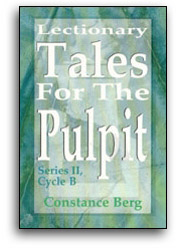
Lectionary Tales For The Pulpit
Series II Cycle B
Professor Bob Corbett celebrates and laments the work of Bartolomé de las Casas. The following is paraphrased from Professor Corbett's biography of Bishop de las Casas.
Bartolomé de las Casas was born in Seville, Spain, in 1474. His father sailed with Columbus in 1492. De las Casas became a priest at the age of 36 and Bartolomé himself made the third voyage with Columbus as a Dominican priest to the New World. He settled into his new surroundings.
It is said that he was deeply moved by the harsh treatment of slaves, so he gave up his slaves. When he saw the brutality the indigenous people had to endure at the hands of the Spanish explorers, Bartolomé spoke out. He told people of the Indians' plight. He exposed the hardship they had to endure. He became their champion.
Father Bartolomé worked throughout the Caribbean Islands and Central America to end slavery for the native population. He worked hard to stop the horrible treatment women received at the hands of the military. But he didn't do it by speaking out against slavery. He demanded instead peaceful treatment of the Amerindians. He even persuaded the King of Spain to make new laws toward more humane treatment of the indigenous people, but the laws were ignored in the New World.
Father de las Casas saw the fragile state of the Arawak Indians in Hispa–ola. They could not tolerate the heavy work and hard labor expected of them by the Spaniards. Unfortunately, de las Casas suggested that black slaves be imported to do the heavy work. Father de las Casas felt that the African slaves were "constitutionally more fit for hard labor than were the Amerindians." Black slavery in the New World had begun.
But Father Bartolomé de las Casas had good intentions and good will. He did not have the foresight to see his mistake and he put heart over head in his concern for his neighbors, the Amerindians. He always insisted that the Amerindians were made in the image of God and should not to be treated as animals.
In 1516, Bartolomé de las Casas was celebrated as the official protector of the Indians, and the following year he negotiated land in Venezuela for an experiment in evangelization. The experiment failed. He returned to Spain and then again to Mexico where de las Casas became bishop of Chiapas, the southernmost state of Mexico, and Cuba in 1543. This was 41 years after coming to the New World.
He finally returned to Spain in 1547 where he continued the debate over the maltreatment of the Amerindians. Bishop de las Casas called those who supported Indian slavery "misguided" and given up to evil by God. De las Casas wrote, "Are we not obliged to love them as ourselves?" But those who had never been outside of Spain felt these writings were romantic, exotic, and fictional. They were not taken seriously there. Bishop de las Casas died in 1566.
Bartolomé de las Casas was born in Seville, Spain, in 1474. His father sailed with Columbus in 1492. De las Casas became a priest at the age of 36 and Bartolomé himself made the third voyage with Columbus as a Dominican priest to the New World. He settled into his new surroundings.
It is said that he was deeply moved by the harsh treatment of slaves, so he gave up his slaves. When he saw the brutality the indigenous people had to endure at the hands of the Spanish explorers, Bartolomé spoke out. He told people of the Indians' plight. He exposed the hardship they had to endure. He became their champion.
Father Bartolomé worked throughout the Caribbean Islands and Central America to end slavery for the native population. He worked hard to stop the horrible treatment women received at the hands of the military. But he didn't do it by speaking out against slavery. He demanded instead peaceful treatment of the Amerindians. He even persuaded the King of Spain to make new laws toward more humane treatment of the indigenous people, but the laws were ignored in the New World.
Father de las Casas saw the fragile state of the Arawak Indians in Hispa–ola. They could not tolerate the heavy work and hard labor expected of them by the Spaniards. Unfortunately, de las Casas suggested that black slaves be imported to do the heavy work. Father de las Casas felt that the African slaves were "constitutionally more fit for hard labor than were the Amerindians." Black slavery in the New World had begun.
But Father Bartolomé de las Casas had good intentions and good will. He did not have the foresight to see his mistake and he put heart over head in his concern for his neighbors, the Amerindians. He always insisted that the Amerindians were made in the image of God and should not to be treated as animals.
In 1516, Bartolomé de las Casas was celebrated as the official protector of the Indians, and the following year he negotiated land in Venezuela for an experiment in evangelization. The experiment failed. He returned to Spain and then again to Mexico where de las Casas became bishop of Chiapas, the southernmost state of Mexico, and Cuba in 1543. This was 41 years after coming to the New World.
He finally returned to Spain in 1547 where he continued the debate over the maltreatment of the Amerindians. Bishop de las Casas called those who supported Indian slavery "misguided" and given up to evil by God. De las Casas wrote, "Are we not obliged to love them as ourselves?" But those who had never been outside of Spain felt these writings were romantic, exotic, and fictional. They were not taken seriously there. Bishop de las Casas died in 1566.
