
The Epiphany Of Our Lord
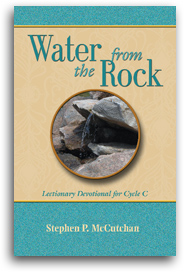
Devotional
Water From the Rock
Lectionary Devotional for Cycle C
Object:
For he delivers the needy when they call, the poor and those who have no helper.
-- Psalm 72:12
Psalm 72 was originally written as a royal psalm to praise the king of Israel. Each king of Israel was anointed as a sign of God's choice. What we translate in English as anointed, the Hebrew uses the word "messiah" and the Greek uses the word "Christ." Each of Israel's kings was called to be the messiah. For Christians, Jesus fulfilled his call as the Messiah or Christ. Therefore, as we read this royal psalm, we can recognize it as a celebration of Jesus who fulfilled his purpose as determined by God.
Jesus is the king's Son who bears justice and righteousness for the people, especially the poor (vv. 1-2). In the feeding of the 5,000, he became an advocate for the poor and needy (vv. 3-4). By his resurrection, he not only lives for all generations (v. 5) but also refreshes people like rain (v. 6). By his ministry, he is a continual source of righteousness and peace (v. 7). His dominion or power to rule is not limited today by national boundaries (v. 8). As the Roman soldier acknowledged him at the foot of the cross (v. 9), and the wise men brought him gifts from the east (v. 10), so today those who rule find themselves serving him (v. 11).
Not only in his physical life but even today in the body of Christ, he delivers the needy, has pity on the weak, and redeems life from violence and oppression (vv. 12-14). The wise men brought gold, and prayers continue to be invoked for him (v. 15). There is a fruitfulness among his people (v. 16), and his name clearly endures for all time (v. 17). Jesus, as the Christ, is the blessing of God that reflects God's glory throughout the earth (vv. 18-19). In this way, Jesus in his resurrection appearance reveals how he has fulfilled the psalms (Luke 24:44).
-- Psalm 72:12
Psalm 72 was originally written as a royal psalm to praise the king of Israel. Each king of Israel was anointed as a sign of God's choice. What we translate in English as anointed, the Hebrew uses the word "messiah" and the Greek uses the word "Christ." Each of Israel's kings was called to be the messiah. For Christians, Jesus fulfilled his call as the Messiah or Christ. Therefore, as we read this royal psalm, we can recognize it as a celebration of Jesus who fulfilled his purpose as determined by God.
Jesus is the king's Son who bears justice and righteousness for the people, especially the poor (vv. 1-2). In the feeding of the 5,000, he became an advocate for the poor and needy (vv. 3-4). By his resurrection, he not only lives for all generations (v. 5) but also refreshes people like rain (v. 6). By his ministry, he is a continual source of righteousness and peace (v. 7). His dominion or power to rule is not limited today by national boundaries (v. 8). As the Roman soldier acknowledged him at the foot of the cross (v. 9), and the wise men brought him gifts from the east (v. 10), so today those who rule find themselves serving him (v. 11).
Not only in his physical life but even today in the body of Christ, he delivers the needy, has pity on the weak, and redeems life from violence and oppression (vv. 12-14). The wise men brought gold, and prayers continue to be invoked for him (v. 15). There is a fruitfulness among his people (v. 16), and his name clearly endures for all time (v. 17). Jesus, as the Christ, is the blessing of God that reflects God's glory throughout the earth (vv. 18-19). In this way, Jesus in his resurrection appearance reveals how he has fulfilled the psalms (Luke 24:44).
