
The Epiphany Season
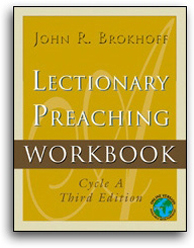
Preaching
Lectionary Preaching Workbook
Cycle A, THIRD EDITION
A History Of Epiphany
Next to Easter, Epiphany is the oldest season of the church year. In Asia Minor and Egypt, Epiphany was observed as early as the second century. The Festival of the Epiphany fell and still falls on January 6. It was observed as a unitive festival - both the birth and baptism of Jesus were celebrated at this time.
January 6 was chosen as Epiphany Day because it was the winter solstice, a pagan festival celebrating the birthday of the sun god. In 331 B.C. the solstice was moved to December 25, but January 6 continued to be observed. Christians substituted Epiphany for the solstice. The emphasis was upon the rebirth of light. In keeping with this time, the First Lesson for Epiphany Day is appropriate: "Arise, shine; for your light has come."
The unitive Festival of Epiphany was divided when December 25 was chosen as the birthday of Jesus. The church in the East continued to celebrate Epiphany in terms of the baptism of Jesus while the Western church associated Epiphany with the visit of the Magi. For the East the baptism of Jesus was more vital because of the Gnostic heresy claiming that only at his baptism did Jesus become the Son of God. On the other hand, to associate Epiphany with the Magi is appropriate, for the Magi did not get to Bethlehem until a year after Jesus' birth. By this time the Holy Family was in a house rather than in a stable. Consequently, the Magi could not have been a part of the manger scene as is popularly portrayed in today's Christmas scenes and plays. The Vatican II lectionary and calendar combine the two by placing the visit of the Magi on Epiphany Day and the Baptism of Jesus on Epiphany 1 (The First Sunday After The Epiphany).
The Name Of Epiphany
In the church year Epiphany Day is a major festival, similar to Christmas, Easter, and Pentecost. In spite of this, more churches ignore January 6 as the Day of Epiphany because it usually falls on a weekday. For Roman Catholics it is a day of obligation to attend Mass.
The name "Epiphany," means "Manifestation." The light manifests itself in the darkness, God reveals himself in Jesus, and the glory of God is seen in Jesus. In the course of history Epiphany was known by other names: Feast of the Manifestation, Feast of Lights, Feast of the Appearing Christ, Feast of the Three Kings, and The Twelfth Day.
The Season Of Epiphany
Six out of seven years the Festival of the Epiphany falls on a weekday. The Sundays after January 6 are titled "Sunday after the Epiphany."
Epiphany is an accordion season. The number of weeks it is observed depends upon the date of Easter. If Easter comes early, the season is short; if it is late, the season of Epiphany is long. In early times the length of the Epiphany season ranged from three to ten weeks. From the sixth century, Epiphany was restricted to six Sundays at most. In the Eastern church it was the custom to announce on Epiphany Day the upcoming date of Easter. The length of the season depended on the announced date.
Now the Epiphany season extends from six to nine Sundays. With the appearance of the new lectionary and calendar in 1970, the season was lengthened to a possible nine weeks because the former pre--Lenten season of three Sundays was made a part of Epiphany.
The Color Of Epiphany
The color used in the paraments denotes the mood and meaning of the season. White is used for three Sundays: Epiphany Day, The Baptism Of Our Lord (Epiphany 1), and Transfiguration. White is used for these three big days because it is a time of celebration. White expresses light, glory, victory, and celebration.
Green is used on the Sundays other than the above three. Green is the color of growth. During Epiphany we are to grow into a fuller realization of the nature of Christ as the Son of God. Sunday after Sunday there is growth in God's revealing his glory in Jesus.
The Meaning And Message Of Epiphany
1. The Epiphany Star - Epiphany is associated with the star that led the Wise Men to the manger. The Epiphany star is a five--pointed star representing the incarnation. It is not a six--pointed star, for this is the star of David, representing the Old Testament with its prophecies. It is not a seven--pointed star which is the star of perfection. Nor is it an eight--pointed star which stands for regeneration and is associated with baptism.
The purpose of the star of Bethlehem was to guide men to Christ. The star is help from above in bringing us to Christ. This is one reason why Epiphany is the time for the church's emphasis upon evangelism.
The star also guides us into the truth of this newborn child in the manger. We are led to an ever--deepening understanding of the nature of Jesus. We are to come eventually to see that Jesus is God's Son as stated at his baptism, "You are my beloved son." Just before the transfiguration, Peter gets the insight, "You are the Christ, the Son of the living God." Epiphany ends on the mountain of transfiguration with God again saying that Jesus is his beloved Son. One purpose of Epiphany is to bring people to this same conviction as preparation for Lent, for the meaning of the cross is in the fact that the man on the cross is "the Lamb of God."
2. The Epiphany Candle - Another symbol of the season is the candle which sheds its light into a dark world. Christ is the light of the world. He comes into the world as a baby, a small, frail candle. It is the nature of light to scatter and annihilate the darkness. Light brings enlightenment to humankind, resulting in vision and insight. Because of light, there is manifestation and revelation. During Epiphany we see the light of God in Jesus. He reveals, shows, manifests God. Light has certain characteristics. It is a given light. The light comes from God, from the star. Man is not the light. At best he can only reflect the light. It is a light that grows in intensity. The candle grows and grows until it becomes as bright as the sun. Throughout Epiphany the light of God's glory is seen increasingly in Jesus until the transfiguration when his clothes and face are as bright as the sun. You may think of it in terms of concentric circles: a small circle around the flame of the candle until the last circle is as wide as the world. The baby Jesus grows to a mature man of thirty when he is seen as the Son of God. A third characteristic of light is that it gives itself. The candle gives light only by virtue of its burning itself up. Light to be light must give, expand, and die to self. At the end of Epiphany we see the light of Christ, at its brightest, but it burns itself out on the cross, only to be rekindled on Easter.
Epiphany And The Church
1. A Time of Worship - Epiphany is a season of worship because it deals with the glory of God manifested in Jesus. The season begins with the Wise Men's coming to worship the newborn king. The season ends with the worship experience on Mount Transfiguration. When people see Jesus as God's Son, they instinctively fall down to worship him as Lord.
2. A Time to Witness - Epiphany is the season of light, and light reveals and shows the way. The light burns so that all might see the truth and the way to God. It is the time for emphasis upon evangelism, the telling of the Good News, the spreading of the light of Christ in a dark world. Christ is the light and Christians reflect that light in the world. They are light--bearers, and they are to go through life lighting candles.
3. A Time to Win - The universal Christ is the center of Epiphany. This is the teaching of Epiphany Day with the coming of the Gentile kings to worship Jesus as Lord. The light of Christ knows no end; it goes to the ends of the earth. He is the light to lighten the Gentiles. The church goes about her business of winning the world for Christ. The light of Christ is not merely to shine on Christians but through them to the salvation of humankind. During this season the church places emphasis upon the cause of world missions. It is the outreach time of the church.
Next to Easter, Epiphany is the oldest season of the church year. In Asia Minor and Egypt, Epiphany was observed as early as the second century. The Festival of the Epiphany fell and still falls on January 6. It was observed as a unitive festival - both the birth and baptism of Jesus were celebrated at this time.
January 6 was chosen as Epiphany Day because it was the winter solstice, a pagan festival celebrating the birthday of the sun god. In 331 B.C. the solstice was moved to December 25, but January 6 continued to be observed. Christians substituted Epiphany for the solstice. The emphasis was upon the rebirth of light. In keeping with this time, the First Lesson for Epiphany Day is appropriate: "Arise, shine; for your light has come."
The unitive Festival of Epiphany was divided when December 25 was chosen as the birthday of Jesus. The church in the East continued to celebrate Epiphany in terms of the baptism of Jesus while the Western church associated Epiphany with the visit of the Magi. For the East the baptism of Jesus was more vital because of the Gnostic heresy claiming that only at his baptism did Jesus become the Son of God. On the other hand, to associate Epiphany with the Magi is appropriate, for the Magi did not get to Bethlehem until a year after Jesus' birth. By this time the Holy Family was in a house rather than in a stable. Consequently, the Magi could not have been a part of the manger scene as is popularly portrayed in today's Christmas scenes and plays. The Vatican II lectionary and calendar combine the two by placing the visit of the Magi on Epiphany Day and the Baptism of Jesus on Epiphany 1 (The First Sunday After The Epiphany).
The Name Of Epiphany
In the church year Epiphany Day is a major festival, similar to Christmas, Easter, and Pentecost. In spite of this, more churches ignore January 6 as the Day of Epiphany because it usually falls on a weekday. For Roman Catholics it is a day of obligation to attend Mass.
The name "Epiphany," means "Manifestation." The light manifests itself in the darkness, God reveals himself in Jesus, and the glory of God is seen in Jesus. In the course of history Epiphany was known by other names: Feast of the Manifestation, Feast of Lights, Feast of the Appearing Christ, Feast of the Three Kings, and The Twelfth Day.
The Season Of Epiphany
Six out of seven years the Festival of the Epiphany falls on a weekday. The Sundays after January 6 are titled "Sunday after the Epiphany."
Epiphany is an accordion season. The number of weeks it is observed depends upon the date of Easter. If Easter comes early, the season is short; if it is late, the season of Epiphany is long. In early times the length of the Epiphany season ranged from three to ten weeks. From the sixth century, Epiphany was restricted to six Sundays at most. In the Eastern church it was the custom to announce on Epiphany Day the upcoming date of Easter. The length of the season depended on the announced date.
Now the Epiphany season extends from six to nine Sundays. With the appearance of the new lectionary and calendar in 1970, the season was lengthened to a possible nine weeks because the former pre--Lenten season of three Sundays was made a part of Epiphany.
The Color Of Epiphany
The color used in the paraments denotes the mood and meaning of the season. White is used for three Sundays: Epiphany Day, The Baptism Of Our Lord (Epiphany 1), and Transfiguration. White is used for these three big days because it is a time of celebration. White expresses light, glory, victory, and celebration.
Green is used on the Sundays other than the above three. Green is the color of growth. During Epiphany we are to grow into a fuller realization of the nature of Christ as the Son of God. Sunday after Sunday there is growth in God's revealing his glory in Jesus.
The Meaning And Message Of Epiphany
1. The Epiphany Star - Epiphany is associated with the star that led the Wise Men to the manger. The Epiphany star is a five--pointed star representing the incarnation. It is not a six--pointed star, for this is the star of David, representing the Old Testament with its prophecies. It is not a seven--pointed star which is the star of perfection. Nor is it an eight--pointed star which stands for regeneration and is associated with baptism.
The purpose of the star of Bethlehem was to guide men to Christ. The star is help from above in bringing us to Christ. This is one reason why Epiphany is the time for the church's emphasis upon evangelism.
The star also guides us into the truth of this newborn child in the manger. We are led to an ever--deepening understanding of the nature of Jesus. We are to come eventually to see that Jesus is God's Son as stated at his baptism, "You are my beloved son." Just before the transfiguration, Peter gets the insight, "You are the Christ, the Son of the living God." Epiphany ends on the mountain of transfiguration with God again saying that Jesus is his beloved Son. One purpose of Epiphany is to bring people to this same conviction as preparation for Lent, for the meaning of the cross is in the fact that the man on the cross is "the Lamb of God."
2. The Epiphany Candle - Another symbol of the season is the candle which sheds its light into a dark world. Christ is the light of the world. He comes into the world as a baby, a small, frail candle. It is the nature of light to scatter and annihilate the darkness. Light brings enlightenment to humankind, resulting in vision and insight. Because of light, there is manifestation and revelation. During Epiphany we see the light of God in Jesus. He reveals, shows, manifests God. Light has certain characteristics. It is a given light. The light comes from God, from the star. Man is not the light. At best he can only reflect the light. It is a light that grows in intensity. The candle grows and grows until it becomes as bright as the sun. Throughout Epiphany the light of God's glory is seen increasingly in Jesus until the transfiguration when his clothes and face are as bright as the sun. You may think of it in terms of concentric circles: a small circle around the flame of the candle until the last circle is as wide as the world. The baby Jesus grows to a mature man of thirty when he is seen as the Son of God. A third characteristic of light is that it gives itself. The candle gives light only by virtue of its burning itself up. Light to be light must give, expand, and die to self. At the end of Epiphany we see the light of Christ, at its brightest, but it burns itself out on the cross, only to be rekindled on Easter.
Epiphany And The Church
1. A Time of Worship - Epiphany is a season of worship because it deals with the glory of God manifested in Jesus. The season begins with the Wise Men's coming to worship the newborn king. The season ends with the worship experience on Mount Transfiguration. When people see Jesus as God's Son, they instinctively fall down to worship him as Lord.
2. A Time to Witness - Epiphany is the season of light, and light reveals and shows the way. The light burns so that all might see the truth and the way to God. It is the time for emphasis upon evangelism, the telling of the Good News, the spreading of the light of Christ in a dark world. Christ is the light and Christians reflect that light in the world. They are light--bearers, and they are to go through life lighting candles.
3. A Time to Win - The universal Christ is the center of Epiphany. This is the teaching of Epiphany Day with the coming of the Gentile kings to worship Jesus as Lord. The light of Christ knows no end; it goes to the ends of the earth. He is the light to lighten the Gentiles. The church goes about her business of winning the world for Christ. The light of Christ is not merely to shine on Christians but through them to the salvation of humankind. During this season the church places emphasis upon the cause of world missions. It is the outreach time of the church.
