
How To Settle An Argument
Children's sermon
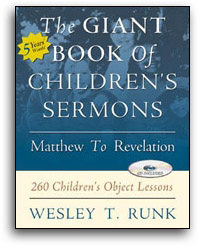
The Giant Book Of Children's Sermons
Matthew To Revelation
Object: none
Good morning, boys and girls. Have you ever had an argument with someone and you knew that you were right and the other person was wrong? (let them answer) The big problem is that the people you are arguing with believe that they do right and you are wrong. That's trouble. What do you do when things like that happen? Do you get angry and fight, or do you just leave and never see that person again? Some people do it one way and some people do it another way. I even know some who do it both ways.
Paul had a problem like this. He knew that he had to do something about it before it was too late. The whole idea of the church being for all people depended on Paul's winning his argument with some very powerful people. Let me tell you a little bit about it.
Paul lived in Antioch with his friend, Barnabas, where they taught men and women who were not Jews about Jesus, the Son of God. These people were called Gentiles. They had never learned the law as Moses received it from God, nor had they ever been made a part of the Jewish religion by a very unusual ceremony. This ceremony was called circumcision. All Jewish baby boys were circumcised. Gentile boys were not circumcised and most of them had never heard about it. Jews said that anyone who was a follower of the one God had to be circumcised. That meant that they had to have a special part of their body cut in a certain way. The Jews didn't think that only little boys should have this done, but also grown--up men who wished to become followers. That was the argument. The Jews said that every man who wanted to be a follower of Jesus had to be first circumcised and be a follower of Moses before he could be a disciple of Jesus.
Paul said that this wasn't true. He had been a Jew and it did not make him a better Christian. It wasn't being circumcised that mattered, but it was believing in your heart that Jesus died for your sins. They argued and argued. First one side would make a point, and then the other side would make a point. Finally it was suggested that they would have to let someone else settle the argument. That sounded like the fair way to do it if everyone would agree. The Jews agreed and Paul and the Gentiles agreed. Now the question was where should they go? Everyone knew the answer to that in those days. They should go to Jerusalem where some of the apostles of Jesus still lived and did their teaching.
Paul, Barnabas, and some people from the Jewish side went to meet with Peter and James, the brother of Jesus, to tell their side of the story. You must remember that Peter and James had been raised as Jews and they were circumcised. It started out to be a battle just as it had been in Antioch. Some of the men stood up right away and said that every man who was going to be a follower of Jesus must first do the things that all Jews had to do. They sounded like they meant it.
But Peter stood up and told his story about how God had done away with all of those laws when he sent the Holy Spirit to bless them and baptize them in love. Christians did things because they wanted to do them, and not because a law said they had to. Peter told them how hard it had been for the Jews to believe since they had so many laws to keep. Why should a Gentile first become a Jew before he could become a Christian? It was the same Holy Spirit that blessed both the Jew and the Gentile. That was a good point.
Now Paul and Barnabas felt they should tell the Jews about the wonderful things that were happening to the Gentiles and how they loved Jesus. That seemed to do it. James, the brother of Jesus, stood up and said that he knew it was right for Gentiles to be Christians without circumcision. The only thing that he asked was that they did not worship idols, eat meat that was not prepared properly, and that they should have respect for their bodies and the bodies of all people. Everyone agreed to this, and the people congratulated Paul and Barnabas and sent them back home with a letter telling the people of Antioch how much they agreed with them and their leaders, Barnabas and Paul. They even sent a couple of men from Jerusalem to read the letter and live with the Gentiles for a while to show them that they meant it.
It was the end to an argument, and it was a good ending. They settled the problem by talking it out and reaching an agreement. Both sides could have insisted that the other side agree with them, or they could have gone right on fighting with each other. But instead they settled the argument and lived together in fellowship the way that Jesus wanted them to.
Good morning, boys and girls. Have you ever had an argument with someone and you knew that you were right and the other person was wrong? (let them answer) The big problem is that the people you are arguing with believe that they do right and you are wrong. That's trouble. What do you do when things like that happen? Do you get angry and fight, or do you just leave and never see that person again? Some people do it one way and some people do it another way. I even know some who do it both ways.
Paul had a problem like this. He knew that he had to do something about it before it was too late. The whole idea of the church being for all people depended on Paul's winning his argument with some very powerful people. Let me tell you a little bit about it.
Paul lived in Antioch with his friend, Barnabas, where they taught men and women who were not Jews about Jesus, the Son of God. These people were called Gentiles. They had never learned the law as Moses received it from God, nor had they ever been made a part of the Jewish religion by a very unusual ceremony. This ceremony was called circumcision. All Jewish baby boys were circumcised. Gentile boys were not circumcised and most of them had never heard about it. Jews said that anyone who was a follower of the one God had to be circumcised. That meant that they had to have a special part of their body cut in a certain way. The Jews didn't think that only little boys should have this done, but also grown--up men who wished to become followers. That was the argument. The Jews said that every man who wanted to be a follower of Jesus had to be first circumcised and be a follower of Moses before he could be a disciple of Jesus.
Paul said that this wasn't true. He had been a Jew and it did not make him a better Christian. It wasn't being circumcised that mattered, but it was believing in your heart that Jesus died for your sins. They argued and argued. First one side would make a point, and then the other side would make a point. Finally it was suggested that they would have to let someone else settle the argument. That sounded like the fair way to do it if everyone would agree. The Jews agreed and Paul and the Gentiles agreed. Now the question was where should they go? Everyone knew the answer to that in those days. They should go to Jerusalem where some of the apostles of Jesus still lived and did their teaching.
Paul, Barnabas, and some people from the Jewish side went to meet with Peter and James, the brother of Jesus, to tell their side of the story. You must remember that Peter and James had been raised as Jews and they were circumcised. It started out to be a battle just as it had been in Antioch. Some of the men stood up right away and said that every man who was going to be a follower of Jesus must first do the things that all Jews had to do. They sounded like they meant it.
But Peter stood up and told his story about how God had done away with all of those laws when he sent the Holy Spirit to bless them and baptize them in love. Christians did things because they wanted to do them, and not because a law said they had to. Peter told them how hard it had been for the Jews to believe since they had so many laws to keep. Why should a Gentile first become a Jew before he could become a Christian? It was the same Holy Spirit that blessed both the Jew and the Gentile. That was a good point.
Now Paul and Barnabas felt they should tell the Jews about the wonderful things that were happening to the Gentiles and how they loved Jesus. That seemed to do it. James, the brother of Jesus, stood up and said that he knew it was right for Gentiles to be Christians without circumcision. The only thing that he asked was that they did not worship idols, eat meat that was not prepared properly, and that they should have respect for their bodies and the bodies of all people. Everyone agreed to this, and the people congratulated Paul and Barnabas and sent them back home with a letter telling the people of Antioch how much they agreed with them and their leaders, Barnabas and Paul. They even sent a couple of men from Jerusalem to read the letter and live with the Gentiles for a while to show them that they meant it.
It was the end to an argument, and it was a good ending. They settled the problem by talking it out and reaching an agreement. Both sides could have insisted that the other side agree with them, or they could have gone right on fighting with each other. But instead they settled the argument and lived together in fellowship the way that Jesus wanted them to.
