
Our Need To Talk With The Son
Sermon
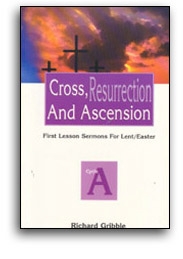
Cross, Resurrection, And Ascension
First Lesson Sermons For Lent/Easter
Three sisters lived in the forest. The oldest was named Bean Plant, the middle sister was Marigold, and the youngest's name was Lily. It was summer; the weather was beautiful and all who lived in the forest were happy and gay.
Bean Plant, the eldest sister, was one who attracted a lot of attention in the forest. She provided something that drew all the animals to her -- the lush and rich beans which she produced so abundantly. All the squirrels, rabbits, and other animals came and ate their meals at Bean Plant's house. Bean Plant was proud; she found importance in what she produced and cared little for what others said or thought.
Marigold, the middle sister, was also very popular. She produced nothing of value, but she attracted a lot of attention nonetheless. The reason was that Marigold was radiantly beautiful. The gold, yellow, and orange blossoms which she produced brought her many suitors. They were all tall, dark, and handsome and had names of Spruce, Elm, and Oak. Marigold lived in her radiant beauty as the summer days passed.
The youngest sister, Lily, did not attract a lot of attention. She produced no fruit; she was not radiantly beautiful. Lily was short, skinny, and just plain green. Lily had one other habit which her sisters thought was odd; she was constantly talking with the sun. Each day when the sun would come up in the eastern sky Lily would say, "Good morning," and the sun would answer, "Good morning, I hope you slept well." Lily spoke with the sun at midday when the forest was warm from the sun's rays. She also spoke to her friend saying, "Good night, thanks for the day," when the sun would slip over the western horizon. Bean Plant and Marigold thought their sister was odd. "You can't speak with the sun," they insisted. But Lily would only answer, "Maybe yes, maybe no, but I will continue to talk with my friend the sun."
One day Lily came to her two older sisters in tears. "The sun is dying," she said. "The sun in dying." Now her sisters truly knew that Lily was crazy: "How can the sun be dying? It comes up every day and goes down each night. The sun is strong and powerful. How can it be dying? But, what of it?" the older sisters said. "We really don't need the sun after all." Yet, Lily insisted that it was true; the sun had told her so. Bean Plant and Marigold had to agree about a few things, however. The sun seemed to come up a little later and go down a little earlier each day. Additionally, they noticed that the sun was not as high in the sky as it had been earlier. "But what of it?" they said. "We don't really need the sun."
As the warmth of the summer months turned into the cooler months of autumn, Lily continued to speak with her friend the sun. Soon the winter began to come to the forest. The winds came and blew the beauty that once was Marigold all over the forest. Her suitors no longer thought her attractive. They lost their interest in her and their leaves as well. They decided to rest for the remainder of the winter. With the wind came the cold. The fruit which Bean Plant produced began to shrivel up; it was no longer attractive to the animals of the forest. They too decided to rest for the winter. One day the cold became so intense that Bean Plant was snapped off at the base; she was no more. But before the sun went away totally, it bent down and kissed its friend Lily and said, "I love you."
After a few months life once again began to appear in the forest. The snows melted and streams again began to run freely. Budding leaves appeared on the trees and the animals again began to forage for food. And there in the middle of the forest appeared one day the most beautiful snow-white Lily. As the sun peeked its head over the eastern horizon, Lily turned, opened her beautiful white flower, and said to her friend, "Thank you, I love you too."1
The story of Lily and her two sisters is obviously one of resurrection. But the tale tells us much more about the day we celebrate than the fact that one can rise from death; we learn about the traits and characteristics we need to foster in order to find resurrection and even more importantly how we must live as those redeemed by the Son. Lily was one who exhibited perseverance in her life and acted uprightly. What she said and did was testimony to her belief in the sun, the Son of God. She did not fear what others would think; she acted on what she knew was right in response to the sun, which nourished her in every way with all that was needed for life.
On Easter Sunday we come to church to remember an event, but more importantly we celebrate what that event did for all of us, God's children. The Easter event was witnessed by Peter, who had deserted Jesus, along with all the rest, in the Lord's greatest hour of need. But Peter, unfortunately, was even weaker than those who consciously stayed away. He wanted to find out what would happen, but when questioned about his association he denied knowing the Lord. Peter's denial wounded Jesus, but, because of his faith, it cut deeply into the apostle as well. Peter needed the resurrection to change him and it certainly did as we hear in today's reading from Acts. Besides his denial of Jesus, Peter, as we remember from the Gospels, was not in the beginning the great leader he became. When Jesus called him rock, Peter immediately disappointed the Lord by his inability to understand the Master's plan and his need to die. Peter many times fell short, but then came the resurrection and a new direction in life.
The picture we see of Peter today is that of a new man. Like Lily he is undeterred in his mission; his past fears evaporate, like the sun breaking through the morning fog. Peter is ready to go forth and proclaim how Jesus has touched his life. The apostle through the resurrection gained the strength to begin to realize his commission as a follower of Christ to go forth and continue his Master's work on earth. Jesus' call was not a mere invitation; it was a challenge in response to God who first loved him. Lily's relationship with the sun changed her and gave her new life. Peter's experience of the resurrection changed his relationship with Jesus, the Son, forever.
Easter must be for us much more than a miraculous event which happened nearly 2000 years ago. Jesus' triumph over death must change and transform us today. We must live as redeemed people who bask in the light of the resurrected Christ. Jesus' conquest of death has opened the door of eternal life for all who live today. This one event gave us the possibility of salvation, but how can Jesus' victory change us today?
Our common Christian vocation to holiness requires much of us, but passivity is not one of these qualities. We must be active in demonstrating the presence of Christ in our lives. If we leave this church today without the hope that Christ's resurrection can and must change us now, then we have missed one of the greatest opportunities of our lifetime.
What is our individual call? Each of us must answer for ourselves by looking inside. Peter was sent to preach, and we in different ways must do the same. Lily preached to her sisters, without their understanding or recognition by the way she spoke with the sun. We must preach to others, but it need not be like Peter's words; it may be like Lily's actions in communicating with the sun and refusing to bow to outside pressure to stop. All that we do witnesses to the power and presence of God in our lives. People observe us and make judgments. What do they see in us? Do others observe us, like Lily, talking with the sun, the Son of God, with our words and deeds, or do they receive another message from us?
Easter is an annual springtime event which raises hope that like the new growth present in nature we may bud forth new shoots in our lives. This can only happen, however, if we are willing to speak with the Son, Jesus, and ponder ways in which his resurrection, his conquest of death, can create a deep and lasting transformation in us. May the event of the resurrection enlighten and transform us to be better witnesses of God's love for the world; may it change us forever.
____________
1. This story is paraphrased from "Lily," in Walter Wangerin, Jr., Ragman and Other Cries of Faith (San Francisco: Harper & Row, Publishers, 1984), pp. 44-52.
Bean Plant, the eldest sister, was one who attracted a lot of attention in the forest. She provided something that drew all the animals to her -- the lush and rich beans which she produced so abundantly. All the squirrels, rabbits, and other animals came and ate their meals at Bean Plant's house. Bean Plant was proud; she found importance in what she produced and cared little for what others said or thought.
Marigold, the middle sister, was also very popular. She produced nothing of value, but she attracted a lot of attention nonetheless. The reason was that Marigold was radiantly beautiful. The gold, yellow, and orange blossoms which she produced brought her many suitors. They were all tall, dark, and handsome and had names of Spruce, Elm, and Oak. Marigold lived in her radiant beauty as the summer days passed.
The youngest sister, Lily, did not attract a lot of attention. She produced no fruit; she was not radiantly beautiful. Lily was short, skinny, and just plain green. Lily had one other habit which her sisters thought was odd; she was constantly talking with the sun. Each day when the sun would come up in the eastern sky Lily would say, "Good morning," and the sun would answer, "Good morning, I hope you slept well." Lily spoke with the sun at midday when the forest was warm from the sun's rays. She also spoke to her friend saying, "Good night, thanks for the day," when the sun would slip over the western horizon. Bean Plant and Marigold thought their sister was odd. "You can't speak with the sun," they insisted. But Lily would only answer, "Maybe yes, maybe no, but I will continue to talk with my friend the sun."
One day Lily came to her two older sisters in tears. "The sun is dying," she said. "The sun in dying." Now her sisters truly knew that Lily was crazy: "How can the sun be dying? It comes up every day and goes down each night. The sun is strong and powerful. How can it be dying? But, what of it?" the older sisters said. "We really don't need the sun after all." Yet, Lily insisted that it was true; the sun had told her so. Bean Plant and Marigold had to agree about a few things, however. The sun seemed to come up a little later and go down a little earlier each day. Additionally, they noticed that the sun was not as high in the sky as it had been earlier. "But what of it?" they said. "We don't really need the sun."
As the warmth of the summer months turned into the cooler months of autumn, Lily continued to speak with her friend the sun. Soon the winter began to come to the forest. The winds came and blew the beauty that once was Marigold all over the forest. Her suitors no longer thought her attractive. They lost their interest in her and their leaves as well. They decided to rest for the remainder of the winter. With the wind came the cold. The fruit which Bean Plant produced began to shrivel up; it was no longer attractive to the animals of the forest. They too decided to rest for the winter. One day the cold became so intense that Bean Plant was snapped off at the base; she was no more. But before the sun went away totally, it bent down and kissed its friend Lily and said, "I love you."
After a few months life once again began to appear in the forest. The snows melted and streams again began to run freely. Budding leaves appeared on the trees and the animals again began to forage for food. And there in the middle of the forest appeared one day the most beautiful snow-white Lily. As the sun peeked its head over the eastern horizon, Lily turned, opened her beautiful white flower, and said to her friend, "Thank you, I love you too."1
The story of Lily and her two sisters is obviously one of resurrection. But the tale tells us much more about the day we celebrate than the fact that one can rise from death; we learn about the traits and characteristics we need to foster in order to find resurrection and even more importantly how we must live as those redeemed by the Son. Lily was one who exhibited perseverance in her life and acted uprightly. What she said and did was testimony to her belief in the sun, the Son of God. She did not fear what others would think; she acted on what she knew was right in response to the sun, which nourished her in every way with all that was needed for life.
On Easter Sunday we come to church to remember an event, but more importantly we celebrate what that event did for all of us, God's children. The Easter event was witnessed by Peter, who had deserted Jesus, along with all the rest, in the Lord's greatest hour of need. But Peter, unfortunately, was even weaker than those who consciously stayed away. He wanted to find out what would happen, but when questioned about his association he denied knowing the Lord. Peter's denial wounded Jesus, but, because of his faith, it cut deeply into the apostle as well. Peter needed the resurrection to change him and it certainly did as we hear in today's reading from Acts. Besides his denial of Jesus, Peter, as we remember from the Gospels, was not in the beginning the great leader he became. When Jesus called him rock, Peter immediately disappointed the Lord by his inability to understand the Master's plan and his need to die. Peter many times fell short, but then came the resurrection and a new direction in life.
The picture we see of Peter today is that of a new man. Like Lily he is undeterred in his mission; his past fears evaporate, like the sun breaking through the morning fog. Peter is ready to go forth and proclaim how Jesus has touched his life. The apostle through the resurrection gained the strength to begin to realize his commission as a follower of Christ to go forth and continue his Master's work on earth. Jesus' call was not a mere invitation; it was a challenge in response to God who first loved him. Lily's relationship with the sun changed her and gave her new life. Peter's experience of the resurrection changed his relationship with Jesus, the Son, forever.
Easter must be for us much more than a miraculous event which happened nearly 2000 years ago. Jesus' triumph over death must change and transform us today. We must live as redeemed people who bask in the light of the resurrected Christ. Jesus' conquest of death has opened the door of eternal life for all who live today. This one event gave us the possibility of salvation, but how can Jesus' victory change us today?
Our common Christian vocation to holiness requires much of us, but passivity is not one of these qualities. We must be active in demonstrating the presence of Christ in our lives. If we leave this church today without the hope that Christ's resurrection can and must change us now, then we have missed one of the greatest opportunities of our lifetime.
What is our individual call? Each of us must answer for ourselves by looking inside. Peter was sent to preach, and we in different ways must do the same. Lily preached to her sisters, without their understanding or recognition by the way she spoke with the sun. We must preach to others, but it need not be like Peter's words; it may be like Lily's actions in communicating with the sun and refusing to bow to outside pressure to stop. All that we do witnesses to the power and presence of God in our lives. People observe us and make judgments. What do they see in us? Do others observe us, like Lily, talking with the sun, the Son of God, with our words and deeds, or do they receive another message from us?
Easter is an annual springtime event which raises hope that like the new growth present in nature we may bud forth new shoots in our lives. This can only happen, however, if we are willing to speak with the Son, Jesus, and ponder ways in which his resurrection, his conquest of death, can create a deep and lasting transformation in us. May the event of the resurrection enlighten and transform us to be better witnesses of God's love for the world; may it change us forever.
____________
1. This story is paraphrased from "Lily," in Walter Wangerin, Jr., Ragman and Other Cries of Faith (San Francisco: Harper & Row, Publishers, 1984), pp. 44-52.
