
Psalm 118:1-2, 14-24
Preaching
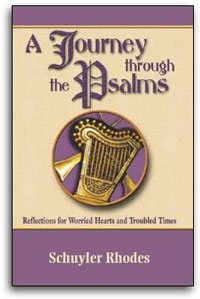
A Journey Through the Psalms: Reflections for Worried Hearts and Troubled Times
Preaching the Psalms Cycles A, B, C
Object:
It's Easter. For us, this is a day of new beginnings. It is the ultimate moment. Christ is risen! In the wake of Easter lilies, bunnies, and too, too much candy, a barrage of pat phrases echo above the Easter morning trumpets. "The shackles of death have been broken." "O death where is thy sting?" We have heard it before.
But what, really, does this mean for us? How does such a notion brush up against our everyday existence? Christ is risen. Well, good. The world continues much as before and little seems to have changed. Christ is risen, and how many people around the world died in a hail of bullets today or perished from hunger or grinding oppression?
Truly, what does it mean to say Christ is risen?
No short little essay can, of course, provide the definitive answer, but this psalm does provide us with a beginning. When we say, with the psalmist, that "the Lord is our strength and our might," we have said a mouthful.
The resurrection of Jesus Christ, you see, is no mere smoke and mirrors magic show designed to impress the impressionable. It is nothing short of a total rearrangement of life itself. In rising from the dead, Christ didn't just become the most powerful figure in our lives. He actually transformed power itself and redefined it for all time. Christ is risen, and the fundamental understanding of power in the world has been up-ended. The first shall now be last. Those who have been full will now go away empty. That which we have understood as powerful is now shown to be weak.
Take a piece of paper and draw a line down the middle. On the left side write down the things that our culture, or as Paul would say, "this world" considers as powerful. Guns, money, prestige, material possessions, all of it. On the other side we make a list of how God now defines and uses power in the risen Christ. Here we write words like "servanthood," "love," "forgiveness," "self-denial," and so forth.
If we look at these contrasting understandings of power or strength, it quickly becomes clear that as followers of Jesus Christ we are called to what amounts to a countercultural understanding of power.
This is the crux of what has happened in the resurrection of Jesus Christ. This is no mere revolution where Jesus comes and sits at the head of the table where someone else once sat. No, in rising from the dead, Jesus kicks over the table.
If "the Lord is our strength," then we will refuse to utilize the power of this world. If we trust in the "might of the Lord," then we will not trust in violence or any of the workings of this world's power mechanisms.
Indeed, Christ's rising changes everything. In the resurrection, God has literally created a new reality. All that is needed now is for his followers to reject the powers of this world and to live into that reality; live into the strength and might of the Lord.
But what, really, does this mean for us? How does such a notion brush up against our everyday existence? Christ is risen. Well, good. The world continues much as before and little seems to have changed. Christ is risen, and how many people around the world died in a hail of bullets today or perished from hunger or grinding oppression?
Truly, what does it mean to say Christ is risen?
No short little essay can, of course, provide the definitive answer, but this psalm does provide us with a beginning. When we say, with the psalmist, that "the Lord is our strength and our might," we have said a mouthful.
The resurrection of Jesus Christ, you see, is no mere smoke and mirrors magic show designed to impress the impressionable. It is nothing short of a total rearrangement of life itself. In rising from the dead, Christ didn't just become the most powerful figure in our lives. He actually transformed power itself and redefined it for all time. Christ is risen, and the fundamental understanding of power in the world has been up-ended. The first shall now be last. Those who have been full will now go away empty. That which we have understood as powerful is now shown to be weak.
Take a piece of paper and draw a line down the middle. On the left side write down the things that our culture, or as Paul would say, "this world" considers as powerful. Guns, money, prestige, material possessions, all of it. On the other side we make a list of how God now defines and uses power in the risen Christ. Here we write words like "servanthood," "love," "forgiveness," "self-denial," and so forth.
If we look at these contrasting understandings of power or strength, it quickly becomes clear that as followers of Jesus Christ we are called to what amounts to a countercultural understanding of power.
This is the crux of what has happened in the resurrection of Jesus Christ. This is no mere revolution where Jesus comes and sits at the head of the table where someone else once sat. No, in rising from the dead, Jesus kicks over the table.
If "the Lord is our strength," then we will refuse to utilize the power of this world. If we trust in the "might of the Lord," then we will not trust in violence or any of the workings of this world's power mechanisms.
Indeed, Christ's rising changes everything. In the resurrection, God has literally created a new reality. All that is needed now is for his followers to reject the powers of this world and to live into that reality; live into the strength and might of the Lord.
