
Psalm 19
Preaching
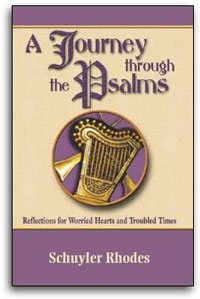
A Journey Through the Psalms: Reflections for Worried Hearts and Troubled Times
Preaching the Psalms Cycles A, B, C
Object:
Many preachers use the last verse of this psalm as a prayer before launching into Sunday's sermon. "Let the words of my mouth, and the meditation of my heart be acceptable to you, O Lord, my rock and my redeemer." It is a prayer that serves as a kind of gentle reminder to the pastor who is beset by all kinds of temptations as he or she steps into the pulpit each Sunday.
Each pastor who forms a weekly message must resist the temptation to use the pulpit inappropriately. Church fights cannot be waged from the pulpit. Favorite political causes ought not be advanced from the pulpit, and self-indulgent whining should never be heard from a pulpit. The words of the preacher's mouth need to be acceptable to God, and as any pastor can easily observe, this is not always an easy thing to achieve.
The person who stands in a pulpit Sunday after Sunday has been given formidable responsibility. Week after week this person must somehow open up God's word to a congregation that waits hungrily for it. It is no easy task, and it is why prayer comes from so many preachers each Sunday. The words need to be "acceptable" to God.
But it is not merely to the pastor that this psalm is addressed, is it? How powerful a thing it would be if each member of each congregation owned this prayer in the way so many pastors utter it. How powerful a witness would emerge if each word and each thought were scrutinized to be sure that they were acceptable in God's sight.
It's true that pastors are frail, and sometimes sermons are questionable as to their probable acceptance before God. But then, aren't we all frail? Would it not be a beautiful covenant to make in a church community that each person would make a special effort to screen the words before they are spoken with the following question. "Is what I'm about to say acceptable to God?" Are the words that are forming in my mind designed to lift up and heal? Are they intended to nurture and bring life?
If such a covenant were made, the immediate result would be that every one would probably speak a lot less than they do now. Worse things could happen in a world so overfilled with empty words.
So what of it? Might a covenant be offered this Sunday? Might all the faithful commit to making the words of our mouths and the meditations in our hearts acceptable before God? It's at least worth a try.
Each pastor who forms a weekly message must resist the temptation to use the pulpit inappropriately. Church fights cannot be waged from the pulpit. Favorite political causes ought not be advanced from the pulpit, and self-indulgent whining should never be heard from a pulpit. The words of the preacher's mouth need to be acceptable to God, and as any pastor can easily observe, this is not always an easy thing to achieve.
The person who stands in a pulpit Sunday after Sunday has been given formidable responsibility. Week after week this person must somehow open up God's word to a congregation that waits hungrily for it. It is no easy task, and it is why prayer comes from so many preachers each Sunday. The words need to be "acceptable" to God.
But it is not merely to the pastor that this psalm is addressed, is it? How powerful a thing it would be if each member of each congregation owned this prayer in the way so many pastors utter it. How powerful a witness would emerge if each word and each thought were scrutinized to be sure that they were acceptable in God's sight.
It's true that pastors are frail, and sometimes sermons are questionable as to their probable acceptance before God. But then, aren't we all frail? Would it not be a beautiful covenant to make in a church community that each person would make a special effort to screen the words before they are spoken with the following question. "Is what I'm about to say acceptable to God?" Are the words that are forming in my mind designed to lift up and heal? Are they intended to nurture and bring life?
If such a covenant were made, the immediate result would be that every one would probably speak a lot less than they do now. Worse things could happen in a world so overfilled with empty words.
So what of it? Might a covenant be offered this Sunday? Might all the faithful commit to making the words of our mouths and the meditations in our hearts acceptable before God? It's at least worth a try.
