
Psalm 32
Preaching
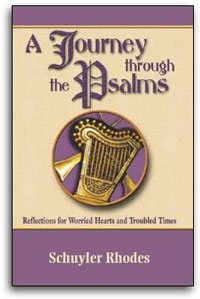
A Journey Through the Psalms: Reflections for Worried Hearts and Troubled Times
Preaching the Psalms Cycles A, B, C
Object:
Forgiveness is a beautiful thing. In the smog of anger and hurt that descends on the aftermath of human folly, forgiveness offers a new possibility. When people are locked in the circular frenzy of anger and hurt, forgiveness shatters the cycle. It is an almost comic understatement to suggest that those whose "transgressions" are forgiven are "happy!" Happy? Try ecstatic.
Forgiveness, it turns out, is tied closely to the notion of resurrection. After all, is it not forgiveness of sins that comes on the heels of an empty tomb? Is it not forgiveness that accompanied the thief to paradise? Is not forgiveness that gift shared in the Eucharist? To be forgiven is truly a holy experience. To forgive is to be in partnership with God.
Forgiveness is not just a mere dismissal of charges brought. Forgiveness involves an acknowledgment that wrong has been done. It doesn't gloss over or dismiss. Forgiveness is stark and clear about the reality that there is something that needs to be forgiven. You hurt my child? I have a basic right to strike back. You violate me? There is a visceral voice that justifies the call to even the score. Yet incredibly, forgiveness forfeits these legitimate claims to revenge. Forgiveness washes away the past and presents a clean slate; a new opportunity, a new beginning. Yes, forgiveness is a beautiful thing. Happy indeed are those whose transgressions are forgiven.
Forgiveness isn't just a one-time thing. The act of forgiveness is not an end in itself. It doesn't merely stop there. Forgiveness begs a response. It yearns for a flow and rhythm of grace that rushes from one forgiven person to another who needs what has just been received. Forgiveness forges pathways of new life and new beginnings. Forgiveness is a journey whose first steps are scary, tentative steps into the unknown. But once on the path, forgiveness strides forth with eyes open to the brokenness of the world.
This psalm is a shining link to the work of salvation in Christ Jesus, calling us to not only receive the gift of God's grace and forgiveness, but to turn and offer that same gift to others. It is this kind of offering that will make possible the building of what Reverend Martin Luther King Jr. referred to as the "beloved community."
Forgiveness, it turns out, is tied closely to the notion of resurrection. After all, is it not forgiveness of sins that comes on the heels of an empty tomb? Is it not forgiveness that accompanied the thief to paradise? Is not forgiveness that gift shared in the Eucharist? To be forgiven is truly a holy experience. To forgive is to be in partnership with God.
Forgiveness is not just a mere dismissal of charges brought. Forgiveness involves an acknowledgment that wrong has been done. It doesn't gloss over or dismiss. Forgiveness is stark and clear about the reality that there is something that needs to be forgiven. You hurt my child? I have a basic right to strike back. You violate me? There is a visceral voice that justifies the call to even the score. Yet incredibly, forgiveness forfeits these legitimate claims to revenge. Forgiveness washes away the past and presents a clean slate; a new opportunity, a new beginning. Yes, forgiveness is a beautiful thing. Happy indeed are those whose transgressions are forgiven.
Forgiveness isn't just a one-time thing. The act of forgiveness is not an end in itself. It doesn't merely stop there. Forgiveness begs a response. It yearns for a flow and rhythm of grace that rushes from one forgiven person to another who needs what has just been received. Forgiveness forges pathways of new life and new beginnings. Forgiveness is a journey whose first steps are scary, tentative steps into the unknown. But once on the path, forgiveness strides forth with eyes open to the brokenness of the world.
This psalm is a shining link to the work of salvation in Christ Jesus, calling us to not only receive the gift of God's grace and forgiveness, but to turn and offer that same gift to others. It is this kind of offering that will make possible the building of what Reverend Martin Luther King Jr. referred to as the "beloved community."
