
Psalm 90:1-6, 13-17
Preaching
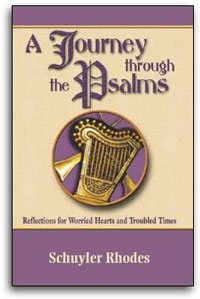
A Journey Through the Psalms: Reflections for Worried Hearts and Troubled Times
Preaching the Psalms Cycles A, B, C
Object:
It was Rene Descartes who said, "I think, therefore I am." While not wishing to enter the questionable theological ground of this statement, it is interesting to note that such ability to reason has plagued humanity for centuries. We are capable of discerning our place in the universe and at once are both awed and overwhelmed by it. It is with similar confusion that we approach the comprehension of the reality of God.
From our finite and limited point of view it is virtually impossible to imagine God. Yet this psalm attempts it with beauty, calling up images of eons before mountains were formed and even a nod to the formation of the earth itself. Mortality, dust, time, all of it enters into these few verses and spills forth with a sense of muted awe.
Even though the practice of pulling Christian images and thoughts from pre-Christian texts is frowned upon by scholars, there is a point to be made here.
It is this very inability to comprehend God that makes the incarnation in Jesus so very powerful. Even the beautiful language and poetry of this psalm does not give the heart a grasping place to touch the holy. But in Christ Jesus we have a God with handles. In his humanity, Jesus is accessible in unbelievably wonderful ways.
Jesus in the scriptures is seen as very human. One moment he is gentle, the next racked with frustration. Another time he rolls his eyes in vexation at his followers while yet another he pulls out a bullwhip and drives the money changers from the temple. This Jesus kneels in love to heal. This Jesus grows harsh as he condemns those who make a mockery of faith. This Jesus asks out loud if the cup can pass from him. This so very human reflection is someone that we all can relate to in deep and life-changing ways.
While the psalm blazes with beauty in its attempt to relate the wonder of God, this writer is thankful for the revelation that has come to us in Christ. Still, God is unsearchable, unfathomable, and unknowable. But now in Christ, he has come near.
From our finite and limited point of view it is virtually impossible to imagine God. Yet this psalm attempts it with beauty, calling up images of eons before mountains were formed and even a nod to the formation of the earth itself. Mortality, dust, time, all of it enters into these few verses and spills forth with a sense of muted awe.
Even though the practice of pulling Christian images and thoughts from pre-Christian texts is frowned upon by scholars, there is a point to be made here.
It is this very inability to comprehend God that makes the incarnation in Jesus so very powerful. Even the beautiful language and poetry of this psalm does not give the heart a grasping place to touch the holy. But in Christ Jesus we have a God with handles. In his humanity, Jesus is accessible in unbelievably wonderful ways.
Jesus in the scriptures is seen as very human. One moment he is gentle, the next racked with frustration. Another time he rolls his eyes in vexation at his followers while yet another he pulls out a bullwhip and drives the money changers from the temple. This Jesus kneels in love to heal. This Jesus grows harsh as he condemns those who make a mockery of faith. This Jesus asks out loud if the cup can pass from him. This so very human reflection is someone that we all can relate to in deep and life-changing ways.
While the psalm blazes with beauty in its attempt to relate the wonder of God, this writer is thankful for the revelation that has come to us in Christ. Still, God is unsearchable, unfathomable, and unknowable. But now in Christ, he has come near.
