
Psalm 91:1-6, 14-16
Preaching
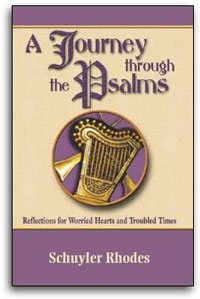
A Journey Through the Psalms: Reflections for Worried Hearts and Troubled Times
Preaching the Psalms Cycles A, B, C
Go ahead. Take a coin from your pocket. Hold it up and look to see where it says, "In God We Trust." It is quite a statement. Trust itself is something when it is actually accomplished. Think, for example, about the number of people in your life who have your full, unqualified trust. If you're like most people, the number is not high. Trust is hard. It requires vulnerability, and no one likes feeling vulnerable. Yet, the path of faith is the process of becoming vulnerable, not to a person, but to God.
Christians are sticklers about believing. The question du jour for many folks has to do with whether or not someone believes in God or believes that Jesus is the Messiah. But the rubber really hits the road on the trust issue. In fact, in the New Testament, the Greek word that is translated often as "believe," is actually pistus, which means trust. Trusting someone means that you look to that person for security, for safety, for consistency, and for reliability. The Peanuts cartoon comes to mind, where good old Charlie Brown keeps trusting Lucy not to remove the football as he rushes up to kick it. Lucy, it turns out, is not trustworthy. But God? God is worthy of our trust.
It's worth considering the question of our trust in God. Do we trust God? If so, our life is going to look and feel a little different than those who choose not to trust God. Do we trust in God to provide? Do we locate our sense of security and safety in God? Do we lean into God's providence, even, or especially, when things are going badly? Or do we trust God merely when things are going our way? Actually, it's trusting in God when the chips are down that really counts. Someone once said that being a pacifist between wars was like being a vegetarian between meals. It is precisely when life's challenges confront us that our trust in God is most critical.
Trusting in one thing reflects a choice. It means that we choose not to trust other gods. Choosing the God of Israel as our God means that we do not place our trust, for example, in money. This is perhaps the thinking behind whoever decided to put the statement upon our money. We may spend money every day, but our trust is elsewhere. If we place our trust in God, and lean into God for our security, then we do not -- indeed we cannot -- trust in weapons of war to protect us. If we trust in God, then we need not worry about the vagaries of this world. See how the gospel of Matthew reflects the call of this psalm to trust in God. Read carefully Matthew 6:25-34.
"So do not worry about tomorrow, for tomorrow will bring worries of its own. Today's trouble is enough for today" (Matthew 6:34).
Perhaps Jesus reflected on this psalm? Perhaps with him, we can lean into this sacred trust. Perhaps in him we can walk together in faithfulness.
Christians are sticklers about believing. The question du jour for many folks has to do with whether or not someone believes in God or believes that Jesus is the Messiah. But the rubber really hits the road on the trust issue. In fact, in the New Testament, the Greek word that is translated often as "believe," is actually pistus, which means trust. Trusting someone means that you look to that person for security, for safety, for consistency, and for reliability. The Peanuts cartoon comes to mind, where good old Charlie Brown keeps trusting Lucy not to remove the football as he rushes up to kick it. Lucy, it turns out, is not trustworthy. But God? God is worthy of our trust.
It's worth considering the question of our trust in God. Do we trust God? If so, our life is going to look and feel a little different than those who choose not to trust God. Do we trust in God to provide? Do we locate our sense of security and safety in God? Do we lean into God's providence, even, or especially, when things are going badly? Or do we trust God merely when things are going our way? Actually, it's trusting in God when the chips are down that really counts. Someone once said that being a pacifist between wars was like being a vegetarian between meals. It is precisely when life's challenges confront us that our trust in God is most critical.
Trusting in one thing reflects a choice. It means that we choose not to trust other gods. Choosing the God of Israel as our God means that we do not place our trust, for example, in money. This is perhaps the thinking behind whoever decided to put the statement upon our money. We may spend money every day, but our trust is elsewhere. If we place our trust in God, and lean into God for our security, then we do not -- indeed we cannot -- trust in weapons of war to protect us. If we trust in God, then we need not worry about the vagaries of this world. See how the gospel of Matthew reflects the call of this psalm to trust in God. Read carefully Matthew 6:25-34.
"So do not worry about tomorrow, for tomorrow will bring worries of its own. Today's trouble is enough for today" (Matthew 6:34).
Perhaps Jesus reflected on this psalm? Perhaps with him, we can lean into this sacred trust. Perhaps in him we can walk together in faithfulness.
