
What Is Your Legacy?
Sermon
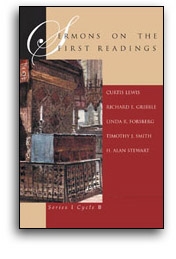
Sermons On The First Readings
Series I, Cycle B
Maybe you have had the experience of being mentioned in the last will and testament of someone who has died. As you listen during this poignant experience to the reading of a deceased person's last wishes, a legacy is being passed on. Both as we live and as we die, we pass on a legacy to the rest of the world.
If you think because you haven't been mentioned in someone's will that you are existing on your own, you will have to think again, because we all enter and continue to live in a world created by the legacy of the past: each one of us lives with the DNA of our parents; each one of us was born in a town and country that someone else built; we are born into the freedom or the tyranny that was handed to us by our ancestors; we were born in hospitals, attended schools, and lived in homes built by someone else; each one of us studied books and learned from the body of knowledge that was passed on to us; each one of us lived and fared, for better or for worse, in whatever state in which we found ourselves.
We may vary in our intelligence and our human gifts, we may move to other cities or countries, we may choose jobs or partners that our parents don't want, but we are greatly influenced by the legacy of what was passed on to us.
On this day, we celebrate as the Sunday of Christ the King, we read the last words, the legacy, of an earlier king, another man, a complex man: David, who at one point was King over all Israel. King David's legacy comes to us today as an oracle of David: a divinely inspired, wise, and authoritative utterance.
There are people who might describe themselves as being anti-monarchy, but we have to realize that the power of the king is not the king's power; the king was chosen by God as a vehicle to dispense God's power on his behalf, for the betterment of the common good of the people, and especially for those who are weak and vulnerable and need the king's blessing.
"... the oracle of the man whom God exalted, the anointed of the God of Jacob, the favorite of the Strong One of Israel." In other words, the king is not there because of his own personal greatness, but because of a calling. The king is there because he was chosen as God's chief servant. The king is accountable to a higher power, an honor more than a privilege.
David says that God is speaking through him: "The spirit of the Lord speaks through me," he says. Therefore what he does must be done with justice and with a deep connection founded on a relationship with God: "One who rules over people justly, ruling in the fear of God."
The king is to act with justice towards the people on God's behalf, with the king himself being a subject to God in a relationship of love and mutual respect with God. The king is not to rule as a despot or a dictator, or by his own whims and fantasies. He is to rule as an instrument of God's justice, with a deep sense of God's righteousness for all creation. The purpose is clear and positive. The reign and power of the king is to be "like the light of morning, like the sun rising on a cloudless morning, gleaming from the rain on the grassy land."
The image of the reign of the king is one that is fresh and uplifting, healthy, lush and exuberant; it is an image grounded in the Bible's eternal echo of mutual covenant with its implied responsibilities and benefits.
David says, "Is not my house like this with God? For he has made with me an everlasting covenant, ordered in all things and secure. Will he not cause to prosper all my help and my desire?"
King David's last words affirm God's sovereign power, with the accompanying moral expectations, and God's fidelity to his people, in spite of the historical humanity of a character like David. These words also give understanding to our notion of Jesus as King.
King David has given a legacy that was as good for his people then as it is for us now: as King David was the son of Jessie, we are all a product of our heritage; as David was the anointed of God, we are the baptized; we are each called into vocation on planet earth. As David was the sweet psalmist of Israel, we all have our gifts and we need to identity and express those gifts; as David spoke for the Lord, each of us speaks with a spirit, positive or negative, healing or destructive, peaceful or challenging. The health of our leaders is a reflection of the health of the nation; we identify with our leaders; our leaders are subject to a higher power. Part of our identity is that we all belong to God, and when we live in God, we pass along that "God lifeness" to others; the power of living in a covenantal relationship with God has a powerful benefit in the mutual connection of that relationship.
The anointed king's legacy is passed on in the ancient scriptures, through the anointed King Jesus, and through our baptism, and as we live, and pass on, our legacy is passed on to our children, our family, and to our world.
What is your legacy? As sure as you live, you are going to pass on something. What is your legacy? For what do you stand?
Can you confront evil? Can you say, "I am a Christian? This is where I stand." You may not go to speak at the UN. It may be over a meal with so called "friends" where you pound out your legacy. You may speak for the protection of your neighbor's child.
Do you stand for God? As God is love, do you stand for love or do you not? In your life, are you leaving a legacy of love by the actions of your life? Do you dare to love? Do you dare to love with a freedom that loves without asking for repayment?
If you do not love then what is the point of living, without love? You were created to love. Without love, all of the covenants, all of the anointing, all of the blessings, all of the words, all of the outpourings of the Spirit, they all come to nothing!
Surely, when the time comes and we stand before God and we are asked what we have done, we need only to reply:
"I loved.
With what you gave me, I loved.
I loved children.
I loved my family.
I loved my friends.
I loved people in need, as I was able.
I loved myself, so that Your Spirit would flow though me.
I loved you, dear God, in how I loved others.
I planted flowers. I celebrated birthdays to show people that I loved and honored them.
When evil appeared, I loudly said, 'No!'
When an opportunity to love came along, I said, 'Yes.'
I tried to let go of the bad and hold on to the good; as I opened my eyes, I saw there was lots of good you sent my way to save me from the bad.
I realized that you were sending me each and every day opportunities to love.
I tried very hard not to lose time from loving with wasting time and energy in hating.
I loved music, I loved looking at the sky and the ocean, I loved beautiful pictures, and all of the ways that you awaken beauty in life on planet earth.
But most of all, dear Lord, I loved seeing your face in the faces of all the people that I met each and every day of my life, and I thank you for this great opportunity that you have given me to love, in what some people call 'life.'
I joyfully and gladly pass on to others the wonderful legacy that was passed on to me.
I thank you that I was able to understand for so many years that life was meant to be called Love."
Amen.
If you think because you haven't been mentioned in someone's will that you are existing on your own, you will have to think again, because we all enter and continue to live in a world created by the legacy of the past: each one of us lives with the DNA of our parents; each one of us was born in a town and country that someone else built; we are born into the freedom or the tyranny that was handed to us by our ancestors; we were born in hospitals, attended schools, and lived in homes built by someone else; each one of us studied books and learned from the body of knowledge that was passed on to us; each one of us lived and fared, for better or for worse, in whatever state in which we found ourselves.
We may vary in our intelligence and our human gifts, we may move to other cities or countries, we may choose jobs or partners that our parents don't want, but we are greatly influenced by the legacy of what was passed on to us.
On this day, we celebrate as the Sunday of Christ the King, we read the last words, the legacy, of an earlier king, another man, a complex man: David, who at one point was King over all Israel. King David's legacy comes to us today as an oracle of David: a divinely inspired, wise, and authoritative utterance.
There are people who might describe themselves as being anti-monarchy, but we have to realize that the power of the king is not the king's power; the king was chosen by God as a vehicle to dispense God's power on his behalf, for the betterment of the common good of the people, and especially for those who are weak and vulnerable and need the king's blessing.
"... the oracle of the man whom God exalted, the anointed of the God of Jacob, the favorite of the Strong One of Israel." In other words, the king is not there because of his own personal greatness, but because of a calling. The king is there because he was chosen as God's chief servant. The king is accountable to a higher power, an honor more than a privilege.
David says that God is speaking through him: "The spirit of the Lord speaks through me," he says. Therefore what he does must be done with justice and with a deep connection founded on a relationship with God: "One who rules over people justly, ruling in the fear of God."
The king is to act with justice towards the people on God's behalf, with the king himself being a subject to God in a relationship of love and mutual respect with God. The king is not to rule as a despot or a dictator, or by his own whims and fantasies. He is to rule as an instrument of God's justice, with a deep sense of God's righteousness for all creation. The purpose is clear and positive. The reign and power of the king is to be "like the light of morning, like the sun rising on a cloudless morning, gleaming from the rain on the grassy land."
The image of the reign of the king is one that is fresh and uplifting, healthy, lush and exuberant; it is an image grounded in the Bible's eternal echo of mutual covenant with its implied responsibilities and benefits.
David says, "Is not my house like this with God? For he has made with me an everlasting covenant, ordered in all things and secure. Will he not cause to prosper all my help and my desire?"
King David's last words affirm God's sovereign power, with the accompanying moral expectations, and God's fidelity to his people, in spite of the historical humanity of a character like David. These words also give understanding to our notion of Jesus as King.
King David has given a legacy that was as good for his people then as it is for us now: as King David was the son of Jessie, we are all a product of our heritage; as David was the anointed of God, we are the baptized; we are each called into vocation on planet earth. As David was the sweet psalmist of Israel, we all have our gifts and we need to identity and express those gifts; as David spoke for the Lord, each of us speaks with a spirit, positive or negative, healing or destructive, peaceful or challenging. The health of our leaders is a reflection of the health of the nation; we identify with our leaders; our leaders are subject to a higher power. Part of our identity is that we all belong to God, and when we live in God, we pass along that "God lifeness" to others; the power of living in a covenantal relationship with God has a powerful benefit in the mutual connection of that relationship.
The anointed king's legacy is passed on in the ancient scriptures, through the anointed King Jesus, and through our baptism, and as we live, and pass on, our legacy is passed on to our children, our family, and to our world.
What is your legacy? As sure as you live, you are going to pass on something. What is your legacy? For what do you stand?
Can you confront evil? Can you say, "I am a Christian? This is where I stand." You may not go to speak at the UN. It may be over a meal with so called "friends" where you pound out your legacy. You may speak for the protection of your neighbor's child.
Do you stand for God? As God is love, do you stand for love or do you not? In your life, are you leaving a legacy of love by the actions of your life? Do you dare to love? Do you dare to love with a freedom that loves without asking for repayment?
If you do not love then what is the point of living, without love? You were created to love. Without love, all of the covenants, all of the anointing, all of the blessings, all of the words, all of the outpourings of the Spirit, they all come to nothing!
Surely, when the time comes and we stand before God and we are asked what we have done, we need only to reply:
"I loved.
With what you gave me, I loved.
I loved children.
I loved my family.
I loved my friends.
I loved people in need, as I was able.
I loved myself, so that Your Spirit would flow though me.
I loved you, dear God, in how I loved others.
I planted flowers. I celebrated birthdays to show people that I loved and honored them.
When evil appeared, I loudly said, 'No!'
When an opportunity to love came along, I said, 'Yes.'
I tried to let go of the bad and hold on to the good; as I opened my eyes, I saw there was lots of good you sent my way to save me from the bad.
I realized that you were sending me each and every day opportunities to love.
I tried very hard not to lose time from loving with wasting time and energy in hating.
I loved music, I loved looking at the sky and the ocean, I loved beautiful pictures, and all of the ways that you awaken beauty in life on planet earth.
But most of all, dear Lord, I loved seeing your face in the faces of all the people that I met each and every day of my life, and I thank you for this great opportunity that you have given me to love, in what some people call 'life.'
I joyfully and gladly pass on to others the wonderful legacy that was passed on to me.
I thank you that I was able to understand for so many years that life was meant to be called Love."
Amen.
