
Workers In The Revolution
Stories
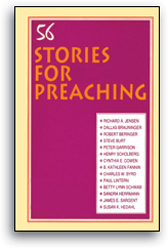
56 Stories For Preaching
Dr. Jack Rosen waited in the bushes by the side of the road,
holding his breath. He was nearly certain he had heard a
footstep, but whether it was friend or foe who waited in the
darkness, he could not know. Long moments passed, and he relaxed
-- just a little, knowing that any rustle could bring a burst of
gunfire, and his own death, should the other listener be the
wrong person.
At last, he heard a match strike, and there was a small flare
in the brush across the way. In the middle of the path was a
slight figure he recognized. The match died, and a soft whisper
came on the hot, humid air. "Senor Doctor? Are you there?" Dr.
Rosen rose slowly from his hiding place. The box of penicillin
bottles rattled slightly in his hand. "Si, Jose. It is I." In the
second before Jose replied, it seemed to Jack that his life
passed before his eyes.
Months before, he had heard of the plight of the peasants in
this tropical paradise, forced to work producing cheap fruit for
export, while their children died of malnutrition and diseases
easily treated in his own homeland. Moved to tears by the
stories, he had vowed that he would come to this tiny country and
make a difference. With his profession and his passport as
protection, he would take pictures, and bring them back to his
colleagues, proof of the horrors that up until now were only
refugee stories. Less than two weeks in the jungle had taught him
how foolish he had been. The very forces he had thought would
help him were now his enemies, and his life had been threatened.
He was having to trust strangers and midnight encounters, which
he knew was foolish.
But what he had found was more compelling than the fear that
shook him tonight. He had a story to tell, of people who were
simply trying to live out their Christian faith. He knew the
right people had some connections. He would take his pictures on
television and the people back home would be outraged. Things
would change. He would make it happen!
"Senor Doctor, we must move very quickly. We may have been
seen." Jack Rosen stepped forward into the pathway, shuffling his
feet to be certain he would not trip over vines.
"I have the penicillin, and the syringes," he said softly,
"and a map to show you where the rest of the medicines are
hidden."
"Very good, Senor Doctor. Hand them over, please." Jack spun
around to face the brilliant beam of a lantern that flicked on
behind him. It was too fast a move; he was ripped by machine gun
fire. He was dead when he hit the ground.
Back home, the death of this pediatrician was hotly debated.
Some saw him as a hero, others as a fool. But at the next medical
gathering, a formal protest was filed. Demands were sent to the
government that children be provided proper medical care. Scores
of doctors and nurses volunteered for "Dr. Rosen's Children," a
project that established the clinics he had hoped would result
from the pictures the officers burned along with his body.
holding his breath. He was nearly certain he had heard a
footstep, but whether it was friend or foe who waited in the
darkness, he could not know. Long moments passed, and he relaxed
-- just a little, knowing that any rustle could bring a burst of
gunfire, and his own death, should the other listener be the
wrong person.
At last, he heard a match strike, and there was a small flare
in the brush across the way. In the middle of the path was a
slight figure he recognized. The match died, and a soft whisper
came on the hot, humid air. "Senor Doctor? Are you there?" Dr.
Rosen rose slowly from his hiding place. The box of penicillin
bottles rattled slightly in his hand. "Si, Jose. It is I." In the
second before Jose replied, it seemed to Jack that his life
passed before his eyes.
Months before, he had heard of the plight of the peasants in
this tropical paradise, forced to work producing cheap fruit for
export, while their children died of malnutrition and diseases
easily treated in his own homeland. Moved to tears by the
stories, he had vowed that he would come to this tiny country and
make a difference. With his profession and his passport as
protection, he would take pictures, and bring them back to his
colleagues, proof of the horrors that up until now were only
refugee stories. Less than two weeks in the jungle had taught him
how foolish he had been. The very forces he had thought would
help him were now his enemies, and his life had been threatened.
He was having to trust strangers and midnight encounters, which
he knew was foolish.
But what he had found was more compelling than the fear that
shook him tonight. He had a story to tell, of people who were
simply trying to live out their Christian faith. He knew the
right people had some connections. He would take his pictures on
television and the people back home would be outraged. Things
would change. He would make it happen!
"Senor Doctor, we must move very quickly. We may have been
seen." Jack Rosen stepped forward into the pathway, shuffling his
feet to be certain he would not trip over vines.
"I have the penicillin, and the syringes," he said softly,
"and a map to show you where the rest of the medicines are
hidden."
"Very good, Senor Doctor. Hand them over, please." Jack spun
around to face the brilliant beam of a lantern that flicked on
behind him. It was too fast a move; he was ripped by machine gun
fire. He was dead when he hit the ground.
Back home, the death of this pediatrician was hotly debated.
Some saw him as a hero, others as a fool. But at the next medical
gathering, a formal protest was filed. Demands were sent to the
government that children be provided proper medical care. Scores
of doctors and nurses volunteered for "Dr. Rosen's Children," a
project that established the clinics he had hoped would result
from the pictures the officers burned along with his body.
