
Prayer And Anointing With Oil
Sermon
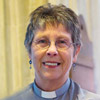
The chairman of our local district council has just been ordained.
For the first year he will be a deacon, then in a year's time should be
ordained priest in accordance with Church of England tradition. In an article
in the local paper he said, "One woman told me that she got a lot from my
sermons and prayers because she felt like she was leaning on a garden gate
talking to God."
That seems to me to be such a good description of prayer, to be leaning on a garden gate talking to God. It conjures up a feeling of intimacy and friendship and relaxation in God's presence.
I think perhaps one of the greatest of human needs is the need to pray. Those who have the ability to pray are able to enjoy fulfilling and secure lives, but many people consider themselves incapable of prayer. Priests and those who wear robes and lead services are asked again and again by people in need to pray for them, as though priestly prayers somehow have more effect than the prayers of other people.
Yet God hears prayer the moment any of us begin to think about praying, so nobody needs special expertise in order to communicate with God.
Perhaps one of the problems is that although it's easy to talk to God, it's less easy to hear God responding. And if we can't hear God responding, or identify God's response, prayer can feel very lonely and rather like a telephone conversation with nobody on the other end. If only we were certain God was listening to us. If only we were certain God was there. Then prayer would be so much easier and so much more meaningful.
In the earliest days of the Church, just after the heady heights of Pentecost when the Holy Spirit was excitingly and obviously active, Christians met together regularly for fervent prayer and fellowship. The prayer had exciting and obvious results. People were healed, miracles happened, and the Church grew at a scorching rate as people flocked to it, deeply impressed by what they saw and experienced. But those heady days didn't last for ever, and by the time James wrote his letter to the Church, thought to be around AD 62, there was a need for clear teaching about prayer and a need for encouragement in prayer.
It was almost as though once the Church became acceptable to normal society, the edges between Church and society began to blur and a commitment to mammon began to creep in. The early days of excitement had gone and Christianity was tough. There was still enormous hostility towards Christians, but Christianity was less spectacular than it had been in those early days. It began to be really difficult and something of a hard slog to remain totally committed to the church and to Jesus Christ.
The church was no longer new and was no longer news in quite the same way that it had been previously. It had also grown so quickly that there was little time to consolidate learning. This meant that those coming from the gentile world especially, with no background of Judaism, had no idea of the standards of behaviour expected of them and brought all sorts of strange and alien customs into their worship. Hence the great emphasis in the epistles of the New Testament on instructions as to how Christians ought to behave.
The apostles were all Jewish, and they all had Jewish backgrounds. They were steeped in the scriptures of the Old Testament, they knew the prophecies, and they had spent their lives following strict instructions as to the way they ought to behave. But after the time of Jesus, when the apostles spread out over the Middle Eastern world, all that began to change. Christianity was more popular amongst gentiles than it was amongst Jews, and it was in the gentile world that growth really occurred.
Hence James begins to teach his listeners about the importance of prayer, that lifeline to God without which we drift between God and mammon. James urges his readers to pray in all circumstances, both in times of happiness and delight, and in times of difficulty. They were to learn tpo pray regularly and to have faith that God was there, was listening and would answer their prayers. One way in which the answer to their prayers could be seen was in the response of those who were sick.
James is especially concerned that Christians should ask those who have authority in the church to pray in cases of sickness and to anoint the person with oil, the oil that was used for medicinal purposes in the ancient world. Those familiar with the book of Isaiah would have known about that use for oil (Isaiah 1:6), but it might not necessarily have been known by newcomers. The results of prayer and anointing with oil were a return to physical health and the forgiveness of sins. The prayer and the anointing were always done in the name of the Lord Jesus and in the power of the Lord Jesus, and the results were obvious - the sick person got better.
To this day the anointing of the sick is a sacrament - a sacred act - and can be very powerful. But is it still effective? Are the sick still healed through prayer and anointing with oil? Is getting better after illness still one of God's responses to our prayer?
Perhaps today our anointing is a little different. Today we visit the doctor rather than the priest when we are sick, and we are anointed with potions and pills and medicine, and maybe a good bedside manner. Today most people put their trust entirely in the medical profession, because the medical profession is highly trained and has huge expertise in dealing with all kinds of sickness. Even so, there is still evidence that prayer can and does affect the course of an illness. Those who are regularly prayed for when they are sick, tend to recover more quickly and to a better degree than those who are not prayed for. And these results pertain whether or not the person who is sick knows that they are being prayed for.
We perhaps need to be wary of any Christians who suggest we should throw away our life-saving drugs. Prayer and anointing with oil are wonderful adjuncts to the doctor's treatment, but perhaps shouldn't be expected to replace it. Prayer complements modern medical treatments but rarely replaces them. Healing miracles do still happen, and although they occasionally happen simply through prayer, they often happen through medical treatment.
James ties in healing very much with confession and forgiveness of sins. And maybe he's onto something there, for hidden guilt can place a huge burden upon us and can eventually cause all sorts of physical symptoms if it's allowed to fester deep inside. We need to get rid of anything like that, which is why t
That seems to me to be such a good description of prayer, to be leaning on a garden gate talking to God. It conjures up a feeling of intimacy and friendship and relaxation in God's presence.
I think perhaps one of the greatest of human needs is the need to pray. Those who have the ability to pray are able to enjoy fulfilling and secure lives, but many people consider themselves incapable of prayer. Priests and those who wear robes and lead services are asked again and again by people in need to pray for them, as though priestly prayers somehow have more effect than the prayers of other people.
Yet God hears prayer the moment any of us begin to think about praying, so nobody needs special expertise in order to communicate with God.
Perhaps one of the problems is that although it's easy to talk to God, it's less easy to hear God responding. And if we can't hear God responding, or identify God's response, prayer can feel very lonely and rather like a telephone conversation with nobody on the other end. If only we were certain God was listening to us. If only we were certain God was there. Then prayer would be so much easier and so much more meaningful.
In the earliest days of the Church, just after the heady heights of Pentecost when the Holy Spirit was excitingly and obviously active, Christians met together regularly for fervent prayer and fellowship. The prayer had exciting and obvious results. People were healed, miracles happened, and the Church grew at a scorching rate as people flocked to it, deeply impressed by what they saw and experienced. But those heady days didn't last for ever, and by the time James wrote his letter to the Church, thought to be around AD 62, there was a need for clear teaching about prayer and a need for encouragement in prayer.
It was almost as though once the Church became acceptable to normal society, the edges between Church and society began to blur and a commitment to mammon began to creep in. The early days of excitement had gone and Christianity was tough. There was still enormous hostility towards Christians, but Christianity was less spectacular than it had been in those early days. It began to be really difficult and something of a hard slog to remain totally committed to the church and to Jesus Christ.
The church was no longer new and was no longer news in quite the same way that it had been previously. It had also grown so quickly that there was little time to consolidate learning. This meant that those coming from the gentile world especially, with no background of Judaism, had no idea of the standards of behaviour expected of them and brought all sorts of strange and alien customs into their worship. Hence the great emphasis in the epistles of the New Testament on instructions as to how Christians ought to behave.
The apostles were all Jewish, and they all had Jewish backgrounds. They were steeped in the scriptures of the Old Testament, they knew the prophecies, and they had spent their lives following strict instructions as to the way they ought to behave. But after the time of Jesus, when the apostles spread out over the Middle Eastern world, all that began to change. Christianity was more popular amongst gentiles than it was amongst Jews, and it was in the gentile world that growth really occurred.
Hence James begins to teach his listeners about the importance of prayer, that lifeline to God without which we drift between God and mammon. James urges his readers to pray in all circumstances, both in times of happiness and delight, and in times of difficulty. They were to learn tpo pray regularly and to have faith that God was there, was listening and would answer their prayers. One way in which the answer to their prayers could be seen was in the response of those who were sick.
James is especially concerned that Christians should ask those who have authority in the church to pray in cases of sickness and to anoint the person with oil, the oil that was used for medicinal purposes in the ancient world. Those familiar with the book of Isaiah would have known about that use for oil (Isaiah 1:6), but it might not necessarily have been known by newcomers. The results of prayer and anointing with oil were a return to physical health and the forgiveness of sins. The prayer and the anointing were always done in the name of the Lord Jesus and in the power of the Lord Jesus, and the results were obvious - the sick person got better.
To this day the anointing of the sick is a sacrament - a sacred act - and can be very powerful. But is it still effective? Are the sick still healed through prayer and anointing with oil? Is getting better after illness still one of God's responses to our prayer?
Perhaps today our anointing is a little different. Today we visit the doctor rather than the priest when we are sick, and we are anointed with potions and pills and medicine, and maybe a good bedside manner. Today most people put their trust entirely in the medical profession, because the medical profession is highly trained and has huge expertise in dealing with all kinds of sickness. Even so, there is still evidence that prayer can and does affect the course of an illness. Those who are regularly prayed for when they are sick, tend to recover more quickly and to a better degree than those who are not prayed for. And these results pertain whether or not the person who is sick knows that they are being prayed for.
We perhaps need to be wary of any Christians who suggest we should throw away our life-saving drugs. Prayer and anointing with oil are wonderful adjuncts to the doctor's treatment, but perhaps shouldn't be expected to replace it. Prayer complements modern medical treatments but rarely replaces them. Healing miracles do still happen, and although they occasionally happen simply through prayer, they often happen through medical treatment.
James ties in healing very much with confession and forgiveness of sins. And maybe he's onto something there, for hidden guilt can place a huge burden upon us and can eventually cause all sorts of physical symptoms if it's allowed to fester deep inside. We need to get rid of anything like that, which is why t
