
The Resurrection Of Our Lord/Easter Day
Preaching
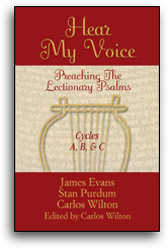
Hear My Voice
Preaching The Lectionary Psalms for Cycles A, B, C
Object:
(Occurs in all three cycles of the lectionary; see Easter, Years B and C, for alternative approaches; see also Palm Sunday, Liturgy Of The Palms, Cycle A, for an alternative approach to vv. 1-2, 19-29.)

With these same verses from Psalm 118 designated for Easter in all three cycles of the Revised Common Lectionary, it is clear that the lectionary committee considers this the preeminent resurrection psalm. Indeed, with the New Testament's repeated quoting of verse 22 (the rejected stone becoming the chief cornerstone, in Matthew 21:42; Mark 12:10; Luke 20:17; Acts 4:11; 1 Peter 2:4, 7 and alluded to in Ephesians 2:20), it's obvious that the first-century church also saw in it a reference to the resurrection of Christ.
Preaching possibilities:
1. In Jewish liturgical tradition, Psalms 113-118 are called "the Egyptian Hallel," meaning that they were intended for use during Passover, the festival that celebrated the liberation of Israel from Egyptian captivity. Thus, it is certainly possible, if not likely, that Jesus himself used this psalm in his own observance of Passover during his final week, perhaps even at the Last Supper. Did he see in it a promise of his resurrection? Here's the basis for a sermon on the promises that arm us as we face the dark valleys of life. How does that make us different from those who have no hope?
2. The fact that New Testament writers so often quoted this psalm reminds us of how the first-century Jews used their scriptures to interpret their present day. A sermon could explain how the Old Testament is not merely "pre-Christian" literature, but part and parcel of the scriptural foundation of the Christian life.
3. Verses 1 and 2 use the refrain, "His steadfast love endures forever!" "Steadfast love" is a translation of a Hebrew word, hesed, made popular by the prophets of the eighth century. It means the love of God that first comes to us, to be reflected by us into the world. Easter is powerful testimony to the steadfastness of God.
4. Verse 13, "I was pushed hard, so that I was falling," will resonate with many people today who are pushed by their schedules, job demands, family responsibilities, spousal expectations, unfulfilled dreams, and the like. What would resurrection look like for them?
5. Verse 17, "I shall not die, but I shall live" can be expounded in terms of resurrection, but could also be the testimony of a despairing person tempted to seek the dark peace of suicide, but who refuses to go there by sheer grit or conviction. What are the resources of faith that could support such a struggler?
-- S. P.
With these same verses from Psalm 118 designated for Easter in all three cycles of the Revised Common Lectionary, it is clear that the lectionary committee considers this the preeminent resurrection psalm. Indeed, with the New Testament's repeated quoting of verse 22 (the rejected stone becoming the chief cornerstone, in Matthew 21:42; Mark 12:10; Luke 20:17; Acts 4:11; 1 Peter 2:4, 7 and alluded to in Ephesians 2:20), it's obvious that the first-century church also saw in it a reference to the resurrection of Christ.
Preaching possibilities:
1. In Jewish liturgical tradition, Psalms 113-118 are called "the Egyptian Hallel," meaning that they were intended for use during Passover, the festival that celebrated the liberation of Israel from Egyptian captivity. Thus, it is certainly possible, if not likely, that Jesus himself used this psalm in his own observance of Passover during his final week, perhaps even at the Last Supper. Did he see in it a promise of his resurrection? Here's the basis for a sermon on the promises that arm us as we face the dark valleys of life. How does that make us different from those who have no hope?
2. The fact that New Testament writers so often quoted this psalm reminds us of how the first-century Jews used their scriptures to interpret their present day. A sermon could explain how the Old Testament is not merely "pre-Christian" literature, but part and parcel of the scriptural foundation of the Christian life.
3. Verses 1 and 2 use the refrain, "His steadfast love endures forever!" "Steadfast love" is a translation of a Hebrew word, hesed, made popular by the prophets of the eighth century. It means the love of God that first comes to us, to be reflected by us into the world. Easter is powerful testimony to the steadfastness of God.
4. Verse 13, "I was pushed hard, so that I was falling," will resonate with many people today who are pushed by their schedules, job demands, family responsibilities, spousal expectations, unfulfilled dreams, and the like. What would resurrection look like for them?
5. Verse 17, "I shall not die, but I shall live" can be expounded in terms of resurrection, but could also be the testimony of a despairing person tempted to seek the dark peace of suicide, but who refuses to go there by sheer grit or conviction. What are the resources of faith that could support such a struggler?
-- S. P.

