
Third Sunday after Epiphany
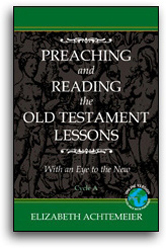
Preaching
Preaching and Reading the Old Testament Lessons
With an Eye to the New
Object:
Isaiah 9:1-4 is the first part of the lesson that is the stated Old Testament text for a Sunday on Christmas Eve. But on that Sunday, all of 9:2-7 is sometimes read. This time only the first stanza of the oracle is prescribed.
Obviously, 9:1-4 has been specified because it is paired with the Gospel reading in Matthew 4:12-23, and because portions of verses 1 and 2 are quoted from the Septuagint version in that Matthew passage. After the death of John the Baptist, when Jesus leaves Nazareth and goes to Capernaum to "dwell," Matthew understands that as a fulfillment of Isaiah 9:1-2. Jesus is the Savior who brings "great light" into the lives of those in Gentile Galilee, just as he is the Savior who brings light and release for us Gentiles who sit in the shadow of darkness and of death.
The result of Jesus' coming into our lives is to give us great rejoicing, joy equal to that of those who celebrate an abundant harvest or to that of those who exult over a great victory over an enemy (Isaiah 9:3). And that joy comes from the fact that our Lord has, indeed, lifted the "yoke" from our shoulders, and broken the "rod" of that which oppresses us.
In the Old Testament, there are many references to a "yoke." Any forms of captivity or subjection to another are frequently described as "yokes." Thus, Israel's slavery in Egypt was a "yoke" (Leviticus 26:13), as is Judah's defeat and subjugation to Babylonia (Jeremiah 27:8, 11, etc.). And when the Lord delivers Israel from bondage by the exodus from Egypt, Leviticus says that the Lord has broken the bars of Israel's yoke and made her walk erect (Leviticus 26:13).
"Yoke," however, can also signify God's guidance of his people. The indictment that God looses against Judah in Jeremiah declares, "Long ago you broke your yoke and burst your bonds; and you said, 'I will not serve' " (Jeremiah 2:20). That means that a life faithful to God is guided by a Master, who holds its reins and directs it in the right way. The biblical life of faith is not unbridled freedom, but obedience to a guiding Lord. Jesus therefore bids us to "take my yoke upon you and learn from me; for I am gentle and lowly in heart, and you will find rest for your souls. For my yoke is easy and my burden is light" (Matthew 11:29-30).
In order to lead us in the right paths, God first, however, must free us from our captivity to other powers of this world. That is the liberation celebrated in our text for the morning; Zebulon and Naphtali will be delivered from their captivity to Assyria by a messianic, davidic king (vv. 6-7). But the Gospel reading in Matthew spiritualizes that to a certain extent and declares that Jesus is that Messiah who delivers not only Zebulon and Naphtali, but also us from our captivity, from the "yokes" that burden us.
What are our burdening "yokes"? Third Isaiah says that they are yokes of wickedness (Isaiah 58:6), burdens that oppress us, and indeed they are, are they not? -- the sins that bend our lives out of shape daily; the burdens of guilt that weigh us down from the past; foolish prides and uncaring self-interest; indifference toward the plight of our neighbors and greedy grasping after our own well-being; repeated forgetfulness of our God and failure to practice his love and forgiveness; and yes, finally, our fear of the loneliness and pain of death and the meaninglessness that the grave can give to every human life. Sin and death hold us captive and subject us to their "yoke."
But the announcement of our Isaiah text is that our Messiah has broken the yokes that burden us, snapping in two the bonds of sin and freeing us for new and good lives, defeating the bars of death that would keep us forever locked in its shadowy and decaying depths. And so we, like those Galileans of our text can rejoice with exceeding great joy, because we have been freed for a new life in Jesus Christ our Lord.
That the Gospel according to Matthew understands our Lord Jesus as the fulfillment of this Old Testament text points to the ongoing work of God that binds the two testaments together. Throughout Matthew, we find the phrase, "This was to fulfill...." This was to fulfill what was spoken by the prophet. This was to fulfill what God declared to Israel in the days of the Israel of the Old Testament. In other words, God began a history of salvation in the time of Old Testament Israel, and that history continues into the New Testament and finds its fulfillment in Jesus Christ.
God made lots of promises to Israel, and one of them is found here in Isaiah 9. God promises light in our darkness, freedom from our bondage, joy instead of our sorrow. And the God of the biblical history is the God who always keeps his word. As Second Isaiah proclaimed, God's Word stands forever (Isaiah 40:8). When he speaks his Word, it does not come to nothing, it does not fall by the wayside, it does not return to God void. Rather, God's Word, says Second Isaiah, is like the rain and the snow that come down from heaven "and return not thither but water the earth, making it bring forth and sprout, giving seed to the sower and bread to the eater" (Isaiah 55:10). God's Word brings results. It works in human lives until it is fulfilled. And so when God promised, according to our text, that the people who walked in darkness would see a great light and have the yoke of oppression and captivity removed from them, the Lord God worked through all the centuries until he sent his Son, our Messiah, to fulfill the ancient words that God through Isaiah had promised. And now you and I, we Gentiles, can find ourselves released from the yokes that oppress us -- from our sin and from the finality of death -- if we trust God's fulfillment of Isaiah's promise in Jesus Christ our Lord. More than that, God's saving work in our lives continues, stretching out toward the future, bringing to pass God's further promises given us by our Lord Jesus.
So let us rejoice, good Christians, like those who rejoice at an abundant harvest, like those who celebrate a glorious victory. For our God in Jesus Christ has indeed won the victory, and we, like Israel, are his people.
Obviously, 9:1-4 has been specified because it is paired with the Gospel reading in Matthew 4:12-23, and because portions of verses 1 and 2 are quoted from the Septuagint version in that Matthew passage. After the death of John the Baptist, when Jesus leaves Nazareth and goes to Capernaum to "dwell," Matthew understands that as a fulfillment of Isaiah 9:1-2. Jesus is the Savior who brings "great light" into the lives of those in Gentile Galilee, just as he is the Savior who brings light and release for us Gentiles who sit in the shadow of darkness and of death.
The result of Jesus' coming into our lives is to give us great rejoicing, joy equal to that of those who celebrate an abundant harvest or to that of those who exult over a great victory over an enemy (Isaiah 9:3). And that joy comes from the fact that our Lord has, indeed, lifted the "yoke" from our shoulders, and broken the "rod" of that which oppresses us.
In the Old Testament, there are many references to a "yoke." Any forms of captivity or subjection to another are frequently described as "yokes." Thus, Israel's slavery in Egypt was a "yoke" (Leviticus 26:13), as is Judah's defeat and subjugation to Babylonia (Jeremiah 27:8, 11, etc.). And when the Lord delivers Israel from bondage by the exodus from Egypt, Leviticus says that the Lord has broken the bars of Israel's yoke and made her walk erect (Leviticus 26:13).
"Yoke," however, can also signify God's guidance of his people. The indictment that God looses against Judah in Jeremiah declares, "Long ago you broke your yoke and burst your bonds; and you said, 'I will not serve' " (Jeremiah 2:20). That means that a life faithful to God is guided by a Master, who holds its reins and directs it in the right way. The biblical life of faith is not unbridled freedom, but obedience to a guiding Lord. Jesus therefore bids us to "take my yoke upon you and learn from me; for I am gentle and lowly in heart, and you will find rest for your souls. For my yoke is easy and my burden is light" (Matthew 11:29-30).
In order to lead us in the right paths, God first, however, must free us from our captivity to other powers of this world. That is the liberation celebrated in our text for the morning; Zebulon and Naphtali will be delivered from their captivity to Assyria by a messianic, davidic king (vv. 6-7). But the Gospel reading in Matthew spiritualizes that to a certain extent and declares that Jesus is that Messiah who delivers not only Zebulon and Naphtali, but also us from our captivity, from the "yokes" that burden us.
What are our burdening "yokes"? Third Isaiah says that they are yokes of wickedness (Isaiah 58:6), burdens that oppress us, and indeed they are, are they not? -- the sins that bend our lives out of shape daily; the burdens of guilt that weigh us down from the past; foolish prides and uncaring self-interest; indifference toward the plight of our neighbors and greedy grasping after our own well-being; repeated forgetfulness of our God and failure to practice his love and forgiveness; and yes, finally, our fear of the loneliness and pain of death and the meaninglessness that the grave can give to every human life. Sin and death hold us captive and subject us to their "yoke."
But the announcement of our Isaiah text is that our Messiah has broken the yokes that burden us, snapping in two the bonds of sin and freeing us for new and good lives, defeating the bars of death that would keep us forever locked in its shadowy and decaying depths. And so we, like those Galileans of our text can rejoice with exceeding great joy, because we have been freed for a new life in Jesus Christ our Lord.
That the Gospel according to Matthew understands our Lord Jesus as the fulfillment of this Old Testament text points to the ongoing work of God that binds the two testaments together. Throughout Matthew, we find the phrase, "This was to fulfill...." This was to fulfill what was spoken by the prophet. This was to fulfill what God declared to Israel in the days of the Israel of the Old Testament. In other words, God began a history of salvation in the time of Old Testament Israel, and that history continues into the New Testament and finds its fulfillment in Jesus Christ.
God made lots of promises to Israel, and one of them is found here in Isaiah 9. God promises light in our darkness, freedom from our bondage, joy instead of our sorrow. And the God of the biblical history is the God who always keeps his word. As Second Isaiah proclaimed, God's Word stands forever (Isaiah 40:8). When he speaks his Word, it does not come to nothing, it does not fall by the wayside, it does not return to God void. Rather, God's Word, says Second Isaiah, is like the rain and the snow that come down from heaven "and return not thither but water the earth, making it bring forth and sprout, giving seed to the sower and bread to the eater" (Isaiah 55:10). God's Word brings results. It works in human lives until it is fulfilled. And so when God promised, according to our text, that the people who walked in darkness would see a great light and have the yoke of oppression and captivity removed from them, the Lord God worked through all the centuries until he sent his Son, our Messiah, to fulfill the ancient words that God through Isaiah had promised. And now you and I, we Gentiles, can find ourselves released from the yokes that oppress us -- from our sin and from the finality of death -- if we trust God's fulfillment of Isaiah's promise in Jesus Christ our Lord. More than that, God's saving work in our lives continues, stretching out toward the future, bringing to pass God's further promises given us by our Lord Jesus.
So let us rejoice, good Christians, like those who rejoice at an abundant harvest, like those who celebrate a glorious victory. For our God in Jesus Christ has indeed won the victory, and we, like Israel, are his people.
