
Maundy/Holy Thursday
Preaching
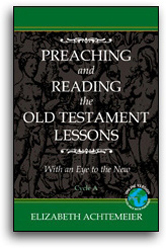
Preaching and Reading the Old Testament Lessons
With an Eye to the New
Object:
The Gospels tell us that on the night that he was betrayed, our Lord first celebrated the Passover with his disciples. Thus it is important for us to go back in Exodus to the founding of the Passover celebration and its meaning.
There have been numerous scholarly speculations about the origin of Passover. Some have thought it was originally a semi-nomadic spring celebration that petitioned the deity's favor and protection during the migration of flocks from one pasture to another. Others have connected it with ancient Near Eastern New Year festivals. However that may be, the scriptures are clear about the origins of the festival for Israel. It formed the prelude and preparation for Israel's deliverance out of slavery in Egypt in the thirteenth century B.C.
God was about to redeem his enslaved people, to set them free from their bondage, to form them into a community and adopt them as his son (cf. Hosea 11:1), and to deliver them into the beginning of "the glorious liberty of the children of God," pointed toward a promised land to call their own. Exodus 12 gives us the liturgical preparation and explanation (vv. 21-23) for that saving exodus event. It is the prelude to God's "redemption," which signifies "buying back" out of slavery (cf. Leviticus 25:47-49).
Each Israelite family was to roast a lamb of goat or sheep on the evening of the fourteenth day of the month of Abib (March-April). Passover was and is always a family affair, or if the family was poor, it was to be shared with a neighbor. The lamb was to be without blemish (cf. John 19:36), a year old, and eaten with bitter herbs and unleavened bread. Some of the blood of the lamb was to be daubed on the doorposts and lintels of the house. If any of the meat was left, it was to be burned in the morning. But this first Passover was not a leisurely feast. It was to be eaten hastily, with the Israelites prepared for flight, for on the next day, the Lord would "pass over" the houses marked with blood to execute his wrath on the enslaving Egyptians and to set Israel free from her bondage.
Thus from the time of Moses on, Israel has celebrated the Passover in commemoration of the Lord's act of redeeming her out of slavery in Egypt. While originally the Passover in Exodus 12 looked forward to that redemption, in the years following, Israel's celebration looked back to the deliverance from bondage.
The exodus that Passover celebrates is the central redemptive act of God in the Old Testament, an act that is recalled in most of the Old Testament's books. It forms the supreme revelation for the chosen people of God's mercy toward the helpless (cf. Exodus 3:7-8), of his love for the folk he has adopted as his own, and of his power over empire, other gods (cf. Exodus 12:12), and nature. It is no accident, therefore, that the exodus in the Old Testament forms the parallel to the crucifixion of our Lord in the New Testament. Indeed, when Jesus talks about his death in Luke 9:31, he speaks of it as his "exodus" (in the Greek; RSV translates "departure"). Jesus' death on the cross brings our "redemption," our deliverance from slavery to sin and death. It manifests God's mercy toward all of us who are helpless in our captivity to our sin. It is the supreme manifestation of God's love (cf. Romans 5:8). And in the resurrection that follows, God's power over empire and evil and nature is manifested.
It is entirely fitting, therefore, that at this Maundy Thursday celebration of the Lord's Supper, we read the accounts of the Passover in the Old Testament and New, for the Lord's Supper remembers the crucifixion of our Lord Jesus Christ. "We do show forth his death until he comes." We remember that we too have been redeemed from our slavery to sin and death, as Israel was redeemed from her slavery in Egypt. And at this supper, we are bound together with all the faithful, past, present, and future, as the one united people of God.
This supper that we celebrate is not merely a remembrance of things past, however. When Israel celebrates the Passover in the centuries after Moses up to the present day, she not only looks back to a past event. Rather, the past becomes her present. That is the function of such liturgy. It makes events that have happened in the past the events that are happening in the present. Every individual and family finds itself redeemed from slavery in the present. The Lord "spared our houses," the Israelite father can say to his son (v. 27). "The Lord heard our voice, and saw our affliction, our toil and our oppression; and the Lord brought us out of Egypt with a mighty hand ..." (Deuteronomy 26:7-8). We are there. We are redeemed this day. We are delivered.
So it is, too, at the Lord's Supper that we celebrate now, is it not? We are there, sitting at table with our Lord on the night that one of us will betray him. He washes our feet (John's account) and bids us be servants to one another. He gives us the bread and the cup of the new covenant in his blood (1 Corinthians 11:23-26; the Synoptic Gospels). And we are redeemed and set free once again from our slavery to sin and death and reaffirmed as the beloved children of our God. The past to which we look back becomes our present in which we are set free to enjoy once more a foretaste and promise of "the glorious liberty of the children of God" (Romans 8:21). It is like the Negro spiritual says, good Christians, "Were you there when they crucified my Lord?" Oh, yes, indeed, we were there. And "sometimes it causes me to tremble." But this supper, here, now, means that we are redeemed from our sin.
In our Old Testament lesson, Moses explains aforetime what will happen on the night of Israel's redemption. The liturgy precedes the event. So too in the Gospel according to John, Jesus is the host at the supper, explaining to his disciples ahead of time what is going to happen when he is crucified and raised from the dead.
But here, now, for us, the event has taken place, hasn't it? The cross has been raised. Explanation and event are joined. As we read of the Supper and participate in it, all the power and mercy and love of God are poured out upon us. And you and I are delivered from our slaveries, and we can go out from this place a new people, a redeemed people, God's own beloved community.
There have been numerous scholarly speculations about the origin of Passover. Some have thought it was originally a semi-nomadic spring celebration that petitioned the deity's favor and protection during the migration of flocks from one pasture to another. Others have connected it with ancient Near Eastern New Year festivals. However that may be, the scriptures are clear about the origins of the festival for Israel. It formed the prelude and preparation for Israel's deliverance out of slavery in Egypt in the thirteenth century B.C.
God was about to redeem his enslaved people, to set them free from their bondage, to form them into a community and adopt them as his son (cf. Hosea 11:1), and to deliver them into the beginning of "the glorious liberty of the children of God," pointed toward a promised land to call their own. Exodus 12 gives us the liturgical preparation and explanation (vv. 21-23) for that saving exodus event. It is the prelude to God's "redemption," which signifies "buying back" out of slavery (cf. Leviticus 25:47-49).
Each Israelite family was to roast a lamb of goat or sheep on the evening of the fourteenth day of the month of Abib (March-April). Passover was and is always a family affair, or if the family was poor, it was to be shared with a neighbor. The lamb was to be without blemish (cf. John 19:36), a year old, and eaten with bitter herbs and unleavened bread. Some of the blood of the lamb was to be daubed on the doorposts and lintels of the house. If any of the meat was left, it was to be burned in the morning. But this first Passover was not a leisurely feast. It was to be eaten hastily, with the Israelites prepared for flight, for on the next day, the Lord would "pass over" the houses marked with blood to execute his wrath on the enslaving Egyptians and to set Israel free from her bondage.
Thus from the time of Moses on, Israel has celebrated the Passover in commemoration of the Lord's act of redeeming her out of slavery in Egypt. While originally the Passover in Exodus 12 looked forward to that redemption, in the years following, Israel's celebration looked back to the deliverance from bondage.
The exodus that Passover celebrates is the central redemptive act of God in the Old Testament, an act that is recalled in most of the Old Testament's books. It forms the supreme revelation for the chosen people of God's mercy toward the helpless (cf. Exodus 3:7-8), of his love for the folk he has adopted as his own, and of his power over empire, other gods (cf. Exodus 12:12), and nature. It is no accident, therefore, that the exodus in the Old Testament forms the parallel to the crucifixion of our Lord in the New Testament. Indeed, when Jesus talks about his death in Luke 9:31, he speaks of it as his "exodus" (in the Greek; RSV translates "departure"). Jesus' death on the cross brings our "redemption," our deliverance from slavery to sin and death. It manifests God's mercy toward all of us who are helpless in our captivity to our sin. It is the supreme manifestation of God's love (cf. Romans 5:8). And in the resurrection that follows, God's power over empire and evil and nature is manifested.
It is entirely fitting, therefore, that at this Maundy Thursday celebration of the Lord's Supper, we read the accounts of the Passover in the Old Testament and New, for the Lord's Supper remembers the crucifixion of our Lord Jesus Christ. "We do show forth his death until he comes." We remember that we too have been redeemed from our slavery to sin and death, as Israel was redeemed from her slavery in Egypt. And at this supper, we are bound together with all the faithful, past, present, and future, as the one united people of God.
This supper that we celebrate is not merely a remembrance of things past, however. When Israel celebrates the Passover in the centuries after Moses up to the present day, she not only looks back to a past event. Rather, the past becomes her present. That is the function of such liturgy. It makes events that have happened in the past the events that are happening in the present. Every individual and family finds itself redeemed from slavery in the present. The Lord "spared our houses," the Israelite father can say to his son (v. 27). "The Lord heard our voice, and saw our affliction, our toil and our oppression; and the Lord brought us out of Egypt with a mighty hand ..." (Deuteronomy 26:7-8). We are there. We are redeemed this day. We are delivered.
So it is, too, at the Lord's Supper that we celebrate now, is it not? We are there, sitting at table with our Lord on the night that one of us will betray him. He washes our feet (John's account) and bids us be servants to one another. He gives us the bread and the cup of the new covenant in his blood (1 Corinthians 11:23-26; the Synoptic Gospels). And we are redeemed and set free once again from our slavery to sin and death and reaffirmed as the beloved children of our God. The past to which we look back becomes our present in which we are set free to enjoy once more a foretaste and promise of "the glorious liberty of the children of God" (Romans 8:21). It is like the Negro spiritual says, good Christians, "Were you there when they crucified my Lord?" Oh, yes, indeed, we were there. And "sometimes it causes me to tremble." But this supper, here, now, means that we are redeemed from our sin.
In our Old Testament lesson, Moses explains aforetime what will happen on the night of Israel's redemption. The liturgy precedes the event. So too in the Gospel according to John, Jesus is the host at the supper, explaining to his disciples ahead of time what is going to happen when he is crucified and raised from the dead.
But here, now, for us, the event has taken place, hasn't it? The cross has been raised. Explanation and event are joined. As we read of the Supper and participate in it, all the power and mercy and love of God are poured out upon us. And you and I are delivered from our slaveries, and we can go out from this place a new people, a redeemed people, God's own beloved community.
