Psalm 68:1-10, 32-35
Preaching
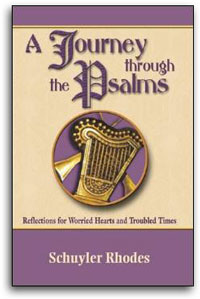
A Journey Through the Psalms: Reflections for Worried Hearts and Troubled Times
Preaching the Psalms Cycles A, B, C
Object:
What are the attributes of God? Sitting in the midst of fifteen or twenty children each Sunday, the pastor asks these questions, "What is God like? How would you describe God?" One child's hand shoots up and he squeals out, "God is huge!" True. God is huge. So huge, in fact, that mere human capacity cannot comprehend even a portion of the reality of God. Another repeats the nearly vapid Sunday school aphorism that "God is love!" Also true. But the mining of 1 John is a mighty task not likely to be accomplished during the children's sermon. The pastor's own son looks slyly as his hand moves upward. "God," he says, "has a big, fat behind!"
After the waves of laughter coming from across the church begin to subside, and the pastor sets aside thoughts of revenge regarding his son, it begins to dawn on him that this is a nearly pointless exercise. Our nearly endless attempts to quantify and categorize God are about as laughable as the young boy's comment about God's posterior. There is no way to get a handle on the awesome reality of the divine. There is no possible arrangement of verbiage that can describe it.
But this much we can harvest from scripture. This much we can glean from 5,000 years of Judeo-Christian heritage. This much is clear. God is about justice. God is, as this psalm points out to us, "a father to orphans and protector of widows." God houses the homeless and leads the prisoners out of their cells into prosperity, and God sets the bar for "his" people, calling them to be the agents of this justice.
Across the landscape of our sacred texts this theme is steady. It soars above our private religiosity and mocks us as century after century we continue in our comical efforts to place the holy in a box that we can both define and therefore control. It is all rather pointless.
The bottom line, as far as the God of Israel is concerned, is justice. Eugene Peterson's "Message" paraphrases Amos 5:24 and pulls out the essence of it. "Do you know what I want? I want justice -- oceans of it. I want fairness -- rivers of it. That's what I want. That's all I want."
This psalm grasps this fundamental nature of God and chooses to celebrate it. It is a celebration that might well suit us today.
After the waves of laughter coming from across the church begin to subside, and the pastor sets aside thoughts of revenge regarding his son, it begins to dawn on him that this is a nearly pointless exercise. Our nearly endless attempts to quantify and categorize God are about as laughable as the young boy's comment about God's posterior. There is no way to get a handle on the awesome reality of the divine. There is no possible arrangement of verbiage that can describe it.
But this much we can harvest from scripture. This much we can glean from 5,000 years of Judeo-Christian heritage. This much is clear. God is about justice. God is, as this psalm points out to us, "a father to orphans and protector of widows." God houses the homeless and leads the prisoners out of their cells into prosperity, and God sets the bar for "his" people, calling them to be the agents of this justice.
Across the landscape of our sacred texts this theme is steady. It soars above our private religiosity and mocks us as century after century we continue in our comical efforts to place the holy in a box that we can both define and therefore control. It is all rather pointless.
The bottom line, as far as the God of Israel is concerned, is justice. Eugene Peterson's "Message" paraphrases Amos 5:24 and pulls out the essence of it. "Do you know what I want? I want justice -- oceans of it. I want fairness -- rivers of it. That's what I want. That's all I want."
This psalm grasps this fundamental nature of God and chooses to celebrate it. It is a celebration that might well suit us today.